REVIEW · MARSEILLE
Marseille: Tailored Wine Tasting Experience in Top Wine Shop
Book on GetYourGuide →Operated by Rive Sud Vins · Bookable on GetYourGuide
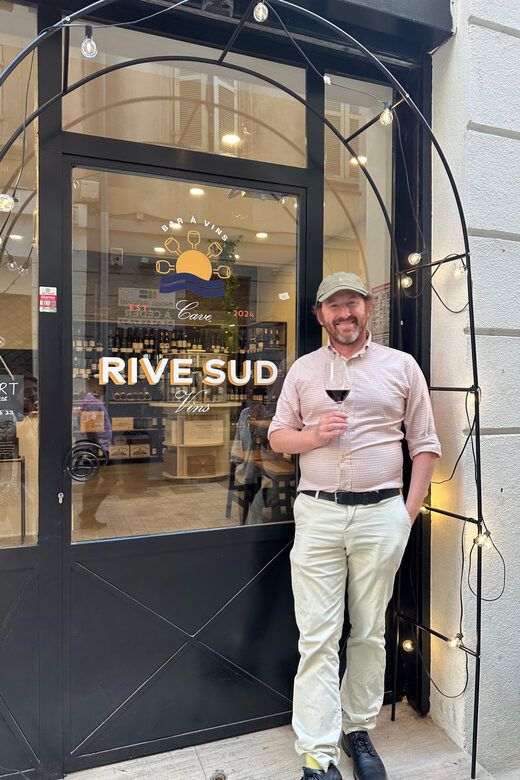
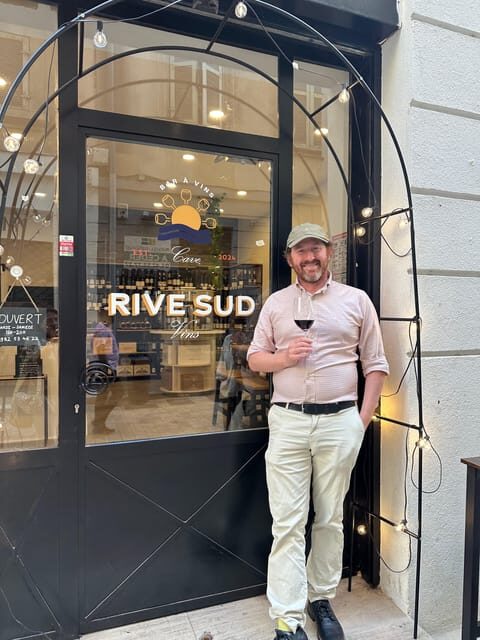
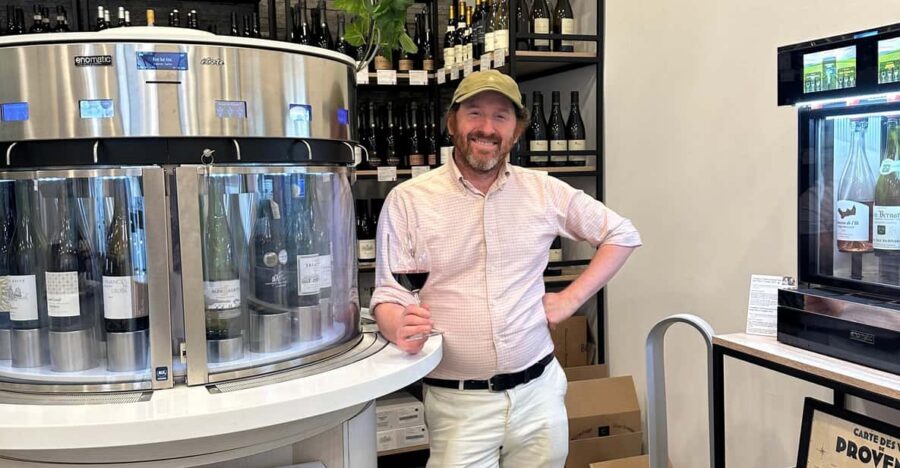
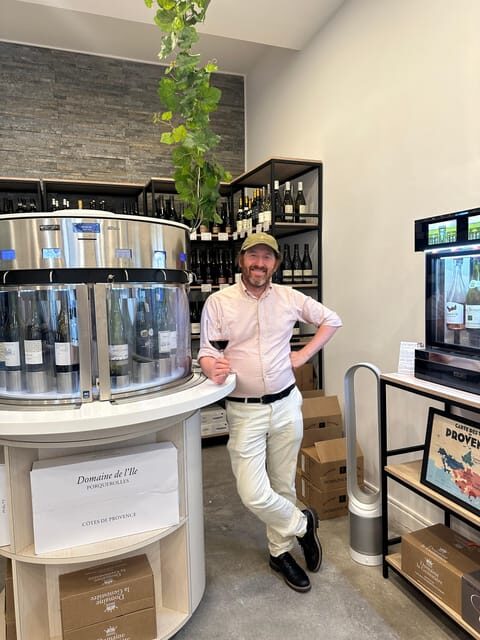
Marseille tastes better one pour at a time. In a small, cool wine shop near the Old Port, Myles at Rive Sud Vins guides you through a tailored flight of Provence and French wines (with optional France vs the world comparisons), all served via Enomatic machines that keep each pour tasting fresh.
What I really like: you get a smart lineup (often €20–€50 bottles in the glass) plus bread and local cheeses that make it feel relaxed, not formal. And the format is friendly even if you’re new—he adjusts what you taste based on your reds, whites, or rosé preferences.
One heads-up: the experience is sold as 1 hour, but the stories run long when the room gets chatty. If you’re on a tight dinner clock, plan a little buffer—and if you want water, ask early.
In This Review
- Key points worth showing up for
- A cozy shop on Rue de la Tour, right when you want it
- How the Enomatic pours make the tasting feel effortless
- Your three tasting paths: Provence, France, or France vs the world
- Option 1: Wines of Provence
- Option 2: Wines of France
- Option 3: Comparative tasting of France and the world (same varietal pairs)
- Cheese and bread: the part that keeps the night smooth
- The stories behind the glass: history, biology, and even business
- What happens after the tasting (and how to use it)
- Price and value: why $94 can feel like a bargain
- Who this tasting is best for (and who should rethink)
- Getting the most out of your hour
- Should you book this Marseille wine tasting?
- FAQ
- How long is the wine tasting?
- How many wines will I taste?
- Is cheese and bread included?
- Can the tasting be tailored to what I like?
- What do I get at the end?
- Do they serve hot food?
- Are children allowed?
- Where is the meeting point?
- What languages are offered?
Key points worth showing up for
- Myles’ tailoring: you can steer toward Provence, all-around French styles, or France vs the world comparisons
- Enomatic tasting format: consistent pours from three machines, so you’re tasting the wine, not guessing the glass
- 8–10 high-value wines + cheese and bread: more than a sip-and-skip stop
- You leave with a final glass: pick one favorite at the end
- Practical wine talk: history, grape biology, and even the business side in plain English and French
A cozy shop on Rue de la Tour, right when you want it
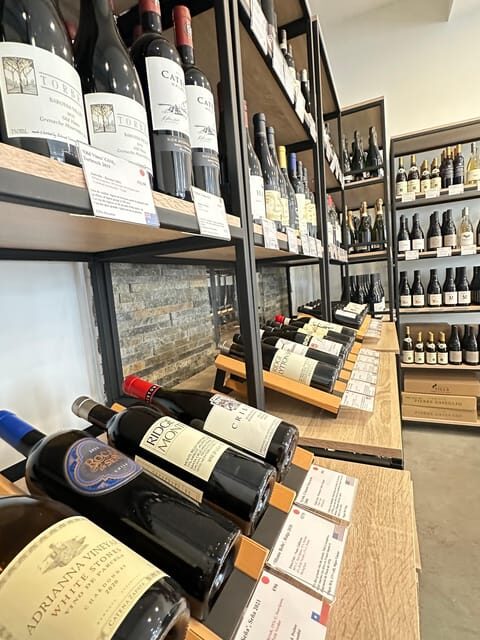
This isn’t a bus tour. It’s a proper wine shop with a learning vibe, but no stuffiness. The meeting point is Rue de la Tour, opposite Pain a l’Ail—easy to find, and close enough to plug into a day in Marseille without turning it into a mission.
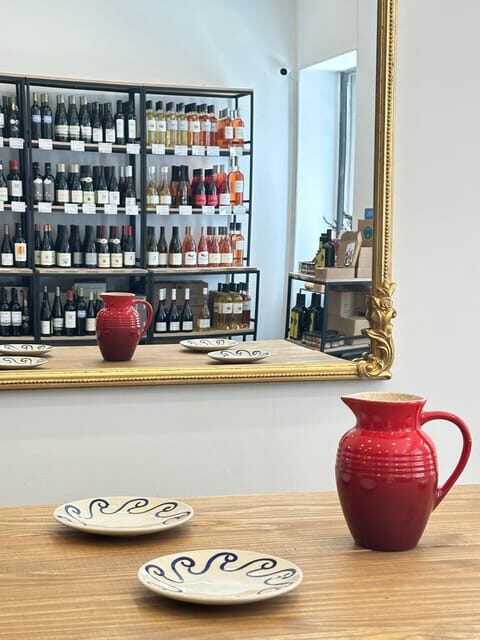
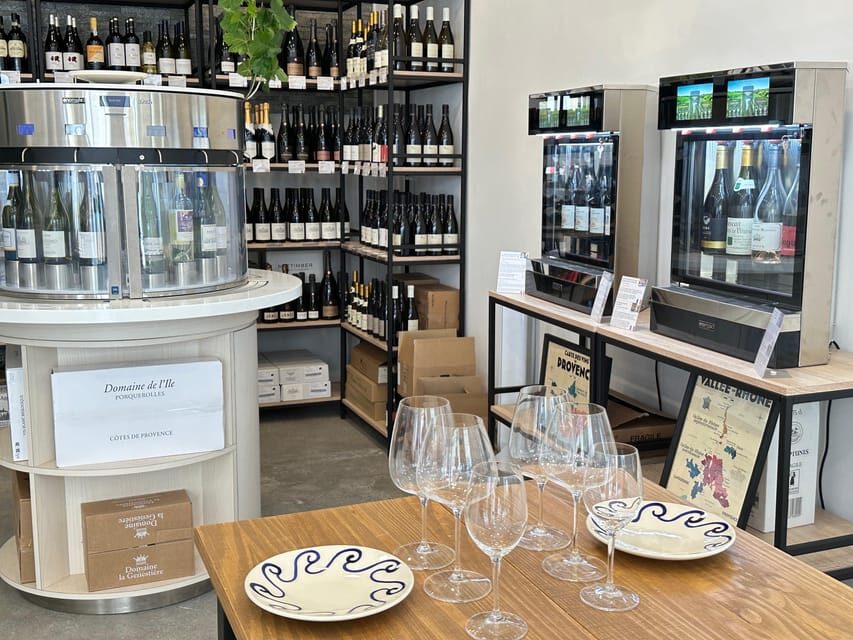
Step inside and you’re surrounded by bottles from everywhere. The space stays cool and calm, and the focus is on the tasting table and the machines. That matters because good wine experiences are about attention: you want to smell, sip, compare, and ask questions without feeling rushed out the door.
The big reason I like this format is that it works for two types of people at once. If you’re a wine person, you’ll love the technical-but-human explanations. If you’re not, you’ll still get a clear path through what you’re tasting and why it’s different.
Other wine tasting experiences in Marseille
How the Enomatic pours make the tasting feel effortless
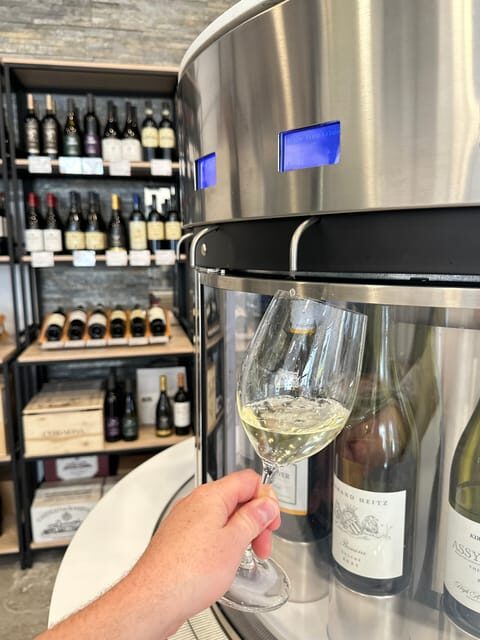
The setup is built around three Enomatic machines. Here’s why that’s a big deal for you: Enomatic-style systems help keep wine stable between pours. That means each sample is more likely to taste like the bottle intended, not like a wine that’s been opened too long.
In practical terms, you’ll get 8–10 premium wines (the experience is described as a 10-wine tasting, with the number of pours running in that range). You’re not handed a random handful. Myles chooses a lineup, then adjusts it based on what you want—more reds vs whites, more Provence vs broader France, or the France-and-world pairing approach.
You taste first, then the talk lands. He doesn’t drown you in jargon. Expect plain explanations about the wine’s origin, what affects the flavor, and how the same style can taste different depending on region and winemaking choices. It’s the kind of teaching that makes the next sip make sense.
And yes, it’s relaxed enough to ask follow-ups. Several people have described it as welcoming even when they were unsure what to ask—so if your brain goes blank when someone says tell me what you like, don’t worry. He leads the conversation.
Your three tasting paths: Provence, France, or France vs the world
One of the most useful parts of this experience is that you can choose the direction of your tasting. If you don’t pick, you’ll still get a good selection—but picking lets you match the tasting to what you actually care about.
Option 1: Wines of Provence
If you’re in Marseille, Provence is the obvious lane. Expect wines that show how that Mediterranean climate and local traditions shape color, aroma, and texture—especially if you’re drawn to rosé and crisp styles.
This option also helps you understand why “Provence rosé” isn’t just a single flavor. You’ll learn how different producers and grape choices create different expressions, even within the same general category.
Option 2: Wines of France
If you want a broader map of what France tastes like, this is the lane. You’ll compare styles across regions and talk through varietals and regional habits.
For you, that means leaving with better instincts for how to shop later. Instead of grabbing the prettiest label, you’ll know what you’re looking for.
Other food & drink experiences in Marseille
Option 3: Comparative tasting of France and the world (same varietal pairs)
This one is especially fun if you like comparisons that actually make sense. You’ll taste five pairs, with one French wine and one foreign wine each, matched by the same varietal.
This is a smart way to learn. When grapes are the same, the differences you taste come down to things like climate, soils, and winemaking decisions—so the lesson sticks.
Cheese and bread: the part that keeps the night smooth
Wine tastings can get dry fast—literally and socially. Here, the food is part of the experience, not an afterthought. You’ll have bread plus delicious local cheeses alongside the pours.
That pairing matters for a few reasons:
- Cheese helps you reset your palate between styles, especially when you’re going from crisp whites to fuller reds.
- Bread makes it easier to slow down and enjoy the conversation.
- It keeps the whole thing grounded in real French eating rhythms: small tastings, then a snack, then more tasting.
If you’re the type who likes to learn by doing, cheese is your cheat code. It makes the differences in acidity, texture, and aroma easier to notice.
Also, the shop vibe encourages lingering. People have noted they didn’t mind if the tasting ran a bit long because the atmosphere stayed cozy and chat-friendly.
The stories behind the glass: history, biology, and even business
What you’re paying for isn’t just wine. It’s interpretation. The tasting includes context and back story—talk about the history, biology, and even the business side of winemaking across Provence, France, and beyond.
Here’s how that helps you as a traveler:
- When you understand the grape and site logic, you can read labels with confidence.
- When you hear how producers think (and compete), you stop treating wine as random luck.
- When you learn the why behind flavor, you can actually repeat the success later at a shop or restaurant.
Myles’ teaching style is also a big part of the value. People describe him as fluent in both English and French, and most importantly, approachable. You won’t feel talked down to, even if you’re brand-new. He meets you where you are—then quietly nudges you into a sharper palate.
What happens after the tasting (and how to use it)
At the end, the tasting includes a nice little reward: you can have a glass of any one favorite wine chosen from what you tasted.
Then the smart part: you’re not locked into the tasting room like a classroom. Afterward, you can grab food from excellent local eateries and bring it back to pair with wine. That turns the session into a mini-wine-and-snack plan for your evening, not just a ticketed event.
You can also stay and taste additional wines available in the shop each day. This is a great use of time if you want to compare what you liked during the flight to other bottles on offer—especially if you’re on a mission to find something to bring home.
One practical idea for you: if you’re planning dinner, don’t schedule it the instant the hour ends. Leave a gap so you can shop, chat, and then move on without stress.
Price and value: why $94 can feel like a bargain
At $94 per person, this isn’t the cheapest thing in Marseille. But value here comes from the combo: multiple premium pours + food + guided context, inside a shop with real wine stock.
The lineup is largely premium, with many wines coming from bottles in the €20–€50 range. So you’re tasting across several bottles worth of selection rather than one or two simple crowd-pleasers.
You also get:
- a focused guided tasting (not just self-serve)
- bread and local cheeses throughout
- substitutions if you don’t want one style (like avoiding rosé or avoiding red)
- the option to end with a favorite glass
So the cost works best when you want to learn and actually drink. If your goal is only a quick sip, you might decide it’s too much. But if you’re the type who enjoys conversation and wants to leave with a better sense of what you like, the math makes sense.
Who this tasting is best for (and who should rethink)
This experience is ideal for:
- wine lovers who want a hands-on comparison across Provence and France
- first-timers who want a friendly guide who adapts to your level
- travelers who like a social setting but still want substance
- people who enjoy rosé/reds/whites and want their tasting steered to match
It may not be ideal if:
- you have a strict schedule with no buffer (the tasting can run long if you chat)
- you’re sensitive to alcohol or avoid it entirely (the setting is built around wine)
- you need medical accommodations—people with diabetes are listed as not suitable
Also, it’s a wine experience with an age rule: no wine is served to anyone under 18, though children are otherwise welcome and non-alcoholic drinks are available. If you’re traveling with a family, this matters because the food-and-wine setup is still the core.
Getting the most out of your hour
If you want this to be a high-return use of time, do these three things:
1) Tell Myles what you like right away
If you already know you prefer dry whites, fuller reds, or Provençal rosé, say it early. The tasting can be tailored, and the substitutions option helps.
2) Ask at least one question that’s not on the menu
You’ll learn faster when you prompt the guide. People have credited him with answering everything from region history to how grapes become flavor.
3) Pace your sipping with the cheese
Cheese keeps you steady and helps you compare without getting your palate muddied.
Should you book this Marseille wine tasting?
If you’re in Marseille and you want a wine experience that feels personal, smart, and not intimidating, book it. The best reason is the combination: Myles’ tailoring, the Enomatic tasting format, and the bread-and-cheese pairing create a friendly learning loop that makes your next wine choice easier.
I’d especially recommend it if you’re the type who enjoys hearing the story behind flavor, or if you want to understand Provence in a way that goes beyond generic rosé talk. And if you’re traveling with someone who likes wine and someone who is still figuring it out, this setup tends to work because it adjusts to your taste level.
Just give yourself a little time wiggle room. When the wine conversation clicks, it’s hard to stop at exactly 60 minutes. And in Marseille, that’s usually a good thing.
FAQ
How long is the wine tasting?
The experience is scheduled for 1 hour.
How many wines will I taste?
You’ll taste 8–10 high-value wines as part of the tasting, with the experience described as a 10-wine lineup.
Is cheese and bread included?
Yes. The tasting is always accompanied by bread and delicious local cheeses.
Can the tasting be tailored to what I like?
Yes. You can tailor the tasting to your tastes, including preferences for reds/whites/rosé and the focus areas: Wines of Provence, Wines of France, or a France vs the world comparative tasting (five paired wines of the same varietal).
What do I get at the end?
At the close of the tasting, your price includes a glass of any single favorite wine you picked during the session.
Do they serve hot food?
No hot food is included. You can buy food from local eateries after the tasting and bring it back to pair with wine.
Are children allowed?
Children are welcome, and a range of non-alcoholic drinks is available. However, no wine is served to anyone under 18.
Where is the meeting point?
The shop is on Rue de la Tour, opposite the Pain a l’Ail sandwich shop.
What languages are offered?
The live guide speaks English and French.