REVIEW · MARSEILLE
Marseille: Bookbinding experience in the Vieux Port
Book on GetYourGuide →Operated by Planetazur · Bookable on GetYourGuide
A notebook-making class in Marseille is unexpectedly fun. You’ll learn a traditional Japanese handmade technique and leave with your own personalized A5 notebook, made right in a craftsman’s workshop near the Vieux-Port. I like that it’s hands-on, not just a demo, and that the materials and tools are handled for you.
One thing to plan for: this is a 3-hour session and food isn’t included, so you’ll want a snack plan before or after. Also, comfortable shoes matter because you’ll be moving around the Old Port area after the workshop.
In This Review
- Key points to know before you go
- Bookbinding in Marseille’s Vieux-Port area: what it’s really like
- What you’ll make: a personalized A5 notebook (Japanese technique)
- Inside the workshop: arrival, tools, and your first steps
- The Japanese handmade technique: why the instruction feels different
- The “cool teacher” factor: support matters in a hands-on class
- After class: a stroll near the Vieux-Port with your finished notebook
- Price and value: is $100 worth it?
- Who this Marseille bookbinding workshop is perfect for
- Practical tips to make the session smoother
- Logistics that actually matter on the day
- Should you book it? My honest take
- FAQ
- How long is the bookbinding experience in Marseille?
- Where is the meeting point, and what should I do when I arrive?
- What language is the live guide available in?
- What is included in the price?
- What is not included?
- How much does it cost?
- What should I bring?
- Is the activity wheelchair accessible?
- Are children allowed?
- Can I bring a pet?
Key points to know before you go
- Japanese handmade A5 notebook: you’re making a real notebook you can use the same day.
- Tools and materials included: less shopping stress, more time with the craft.
- French/English live guide: you’ll get instruction and ongoing support in either language.
- 3-hour format with time to wander: you can stroll near the Vieux-Port after finishing.
- Private group experience: a more personal pace for the class.
Bookbinding in Marseille’s Vieux-Port area: what it’s really like
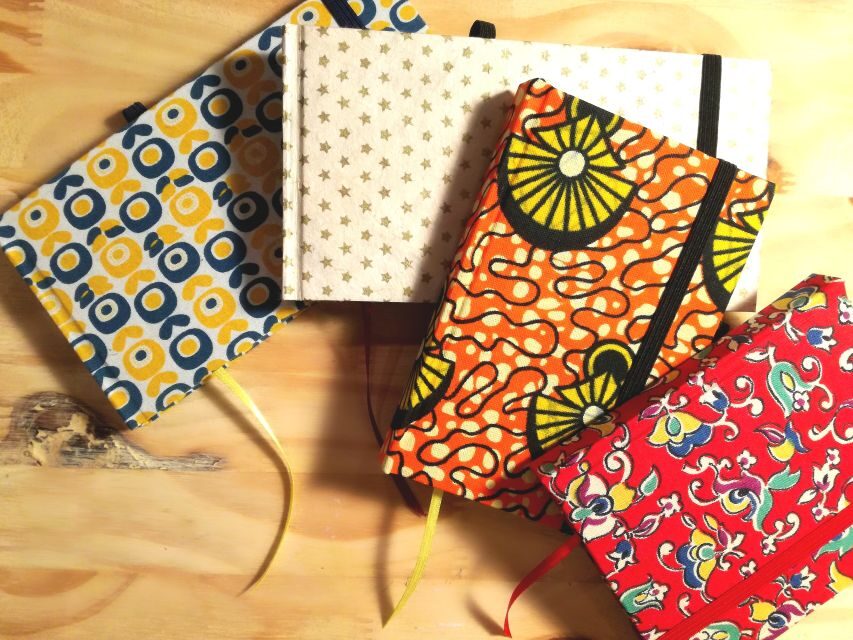
If you’ve done your share of museums in Marseille, this is a nice change of pace. Instead of looking at art, you’re making it. The workshop sits in the Old Port area, so you can roll your creativity into a short walk afterward and still feel like you’re in the center of Marseille life.
The mood is craft-focused and practical. You’re there to learn technique, handle materials, and build a notebook that’s actually your design. One of the best parts is that the instruction is live, in French or English, so you can ask questions while you’re working instead of guessing.
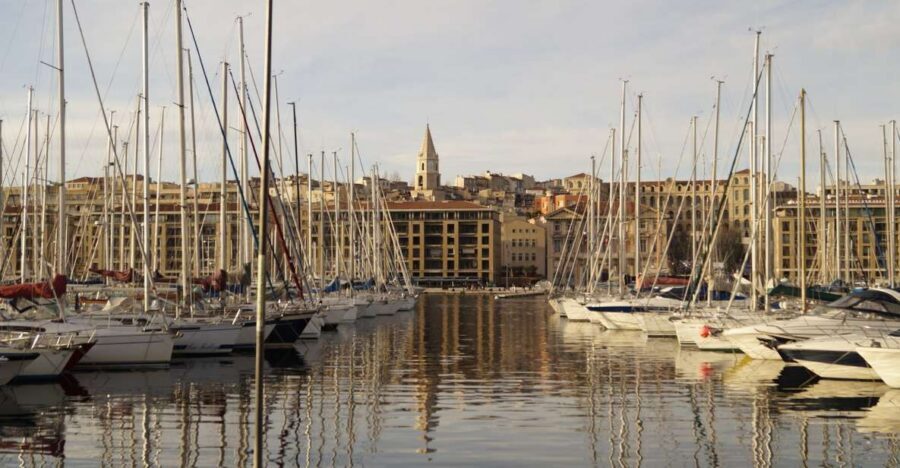
And yes, you’ll be near the famous Vieux-Port—so expect the Old Port energy to be part of your evening. Bring comfortable shoes and keep your expectations simple: this is a workshop where you make something, not a performance where you watch.
Other Old Port and Vieux Port tours in Marseille

What you’ll make: a personalized A5 notebook (Japanese technique)
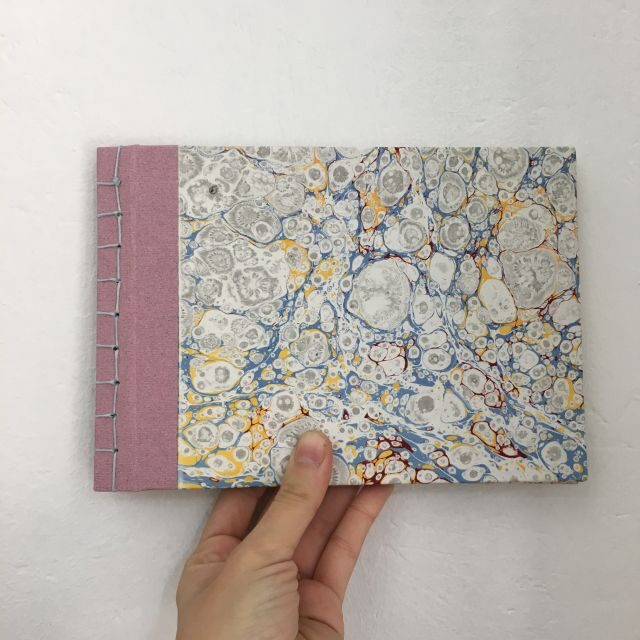
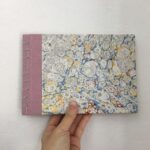
You’re creating a handmade notebook using a Japanese bookbinding approach in an A5 format. A5 is a sweet size: big enough to feel like a real notebook, but small enough to stash in a bag without it turning into luggage.
Your notebook is personalized with the materials provided, under the guidance of the craftsperson. That means the final result isn’t just a generic souvenir. It’s a piece you can keep—sketch in it, jot travel notes, or use as a little planning tool when you’re home.
In my view, that’s the real value here: it’s not just the craft itself. It’s what the craft gives you afterward. A notebook made by your hands has a different meaning than one you buy, even if you’re not “good at crafts.” You’ll be guided through the steps, and the point is to walk out with a finished, usable creation.
Inside the workshop: arrival, tools, and your first steps
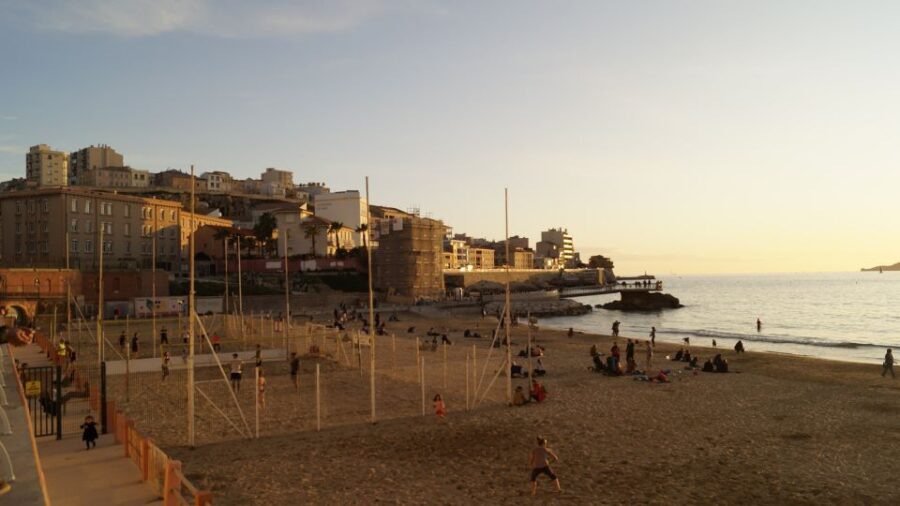
Plan to arrive right at the start time and go up to the 2nd floor of the meeting location. Once you’re inside, the workshop sets you up to focus. You don’t have to bring special gear beyond comfortable shoes.
The session includes entry/admission and the tools and materials you need. That matters more than it sounds. When materials are provided, you don’t spend your trip running errands, and you don’t show up stressed about whether you bought the right thing.
For the first part of the class, you’ll get oriented and start learning how the process works. You’ll see the technique, then you’ll put your hands on the work with the guidance of the instructor. One review highlighted that the accueil was warm and that there were lots of practical tips throughout the activity, which matches what you want in a hands-on class: help while you’re doing, not just instructions at the start.
The Japanese handmade technique: why the instruction feels different
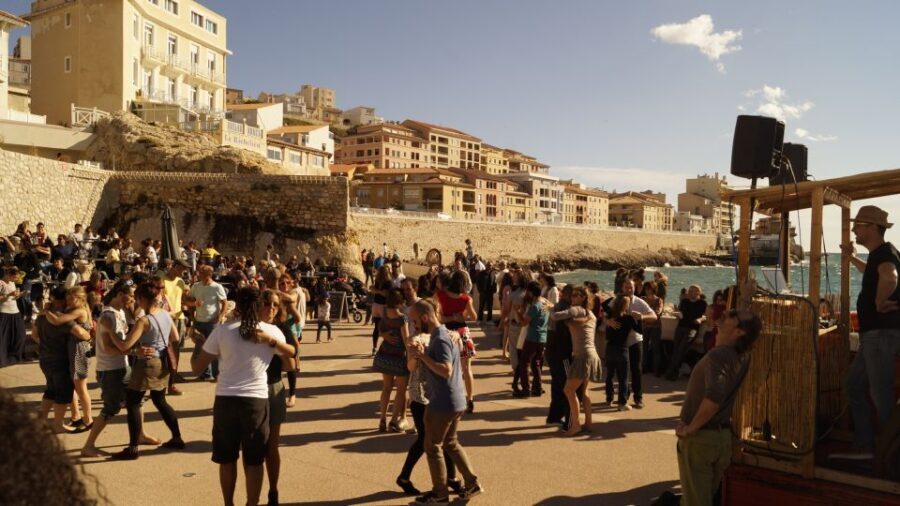
Japanese handmade bookbinding isn’t just about making a notebook; it’s about learning a craft mindset—careful, step-by-step, and focused on how each part connects. That’s exactly what you get in a workshop like this: time to learn the technique in a way that you can actually repeat later.
You’re not trying to invent the method from scratch. Instead, you’re learning a structured process for making your own A5 notebook. This is the kind of activity where small corrections help a lot—how you handle the materials, how you align things, and how you keep going without rushing.
The class also gives you a chance to slow down. Marseille sightseeing often means quick decisions and walking. Here, you can focus on one task, with a guide who can adjust your approach in real time. If you like crafts where you can see progress quickly, you’ll probably enjoy how tangible the process is.
The “cool teacher” factor: support matters in a hands-on class
The workshop is guided by a live instructor (French or English). The included experience description also notes a cool teacher, and that “you’ll get advice the whole time” vibe is important for beginners.
In a craft workshop, people often worry they’ll be too slow or too clumsy. The structure here reduces that risk because tools, materials, and the notebook format (A5) are set up for you. Your job is mainly to follow the technique and personalize within the options you’re given.
A warm, supportive guide makes the difference between a class that feels confusing and one that feels satisfying. One confirmed booking specifically praised the warmth of the welcome and the many tips during the session, and that’s exactly what you should look for if you want to leave proud of what you made.






After class: a stroll near the Vieux-Port with your finished notebook
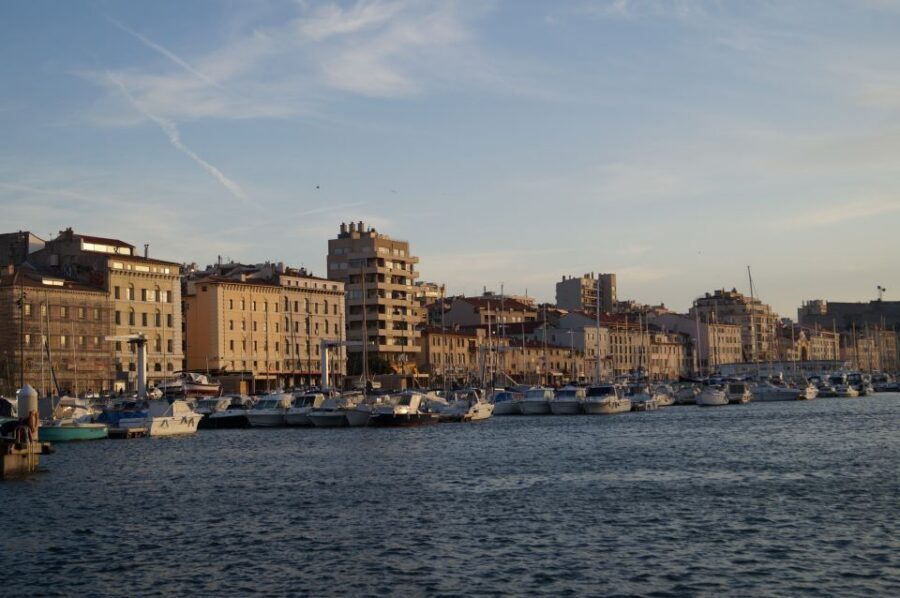
When you’re done, you can walk around near the Vieux-Port area. This is more than just free time—it’s a smart way to connect your experience to the place.
Because you’ll have a physical thing you created, the walk feels different. You’re not just passing through Marseille’s waterfront streets. You’re carrying a reminder of what you did, and that makes the scenery more personal.
This also helps with pacing. Three hours can fly by when you’re making something. The option to wander afterward lets you absorb the atmosphere without packing in another big activity right away.
Price and value: is $100 worth it?
At $100 per person for a 3-hour workshop, you’re paying for guided craft instruction plus included entry, tools, and materials. For some travelers, $100 sounds steep until you compare it to what you’d spend doing the “DIY version” on your own—buying materials, figuring out technique, and paying for the kind of feedback a teacher gives.
Here’s what makes the value feel more solid:
- Materials and tools are included, so your money goes toward the experience, not shopping.
- You’re learning a Japanese handmade technique, not just assembling a craft kit.
- You leave with a finished, personalized notebook you can actually use.
A possible drawback is that food isn’t included, so you’ll still need to handle lunch or a snack. Also, the session is adult-focused in practice: it isn’t suitable for children under 9, so this may be more limited for families with younger kids.
Who this Marseille bookbinding workshop is perfect for
You’ll likely enjoy this if you want a break from the typical sightseeing loop. I think it’s especially good for:
- People who like hands-on activities and want something to take home that isn’t mass-produced.
- Travelers who enjoy learning craft techniques, even if they’re a total beginner.
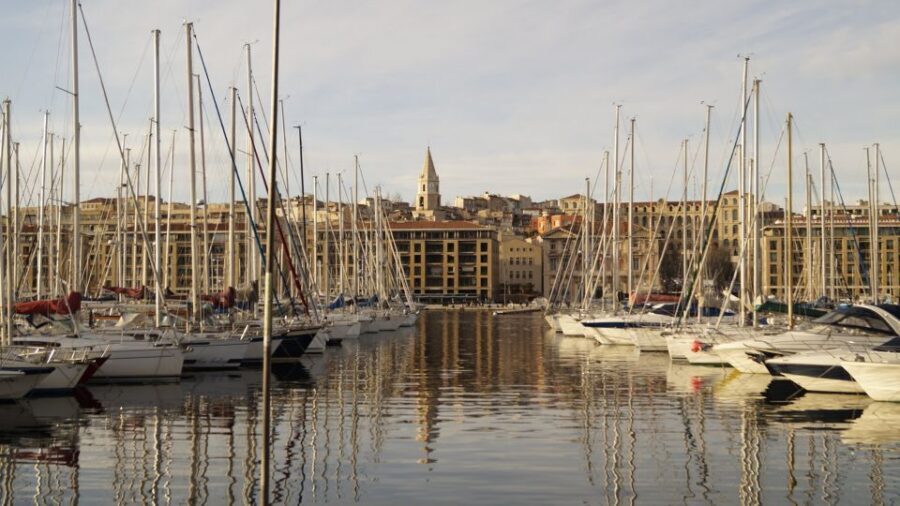
- Anyone spending time around the Vieux-Port who wants a meaningful indoor activity that still keeps you in the center of things.
It may not be ideal if you hate sitting still for a few hours, or if you’re the type who needs a full day of big sights. This is small-scale and focused: your attention belongs on the notebook.
Practical tips to make the session smoother
- Wear comfortable shoes. You may be standing and moving around more than you expect, and then you’ll likely stroll afterward.
- Bring a relaxed attitude. Craft classes reward patience, not speed.
- Think snack plan. Food and drinks aren’t included, so decide ahead of time whether you’ll eat before or afterward.
- Keep it simple with expectations: you’re making an A5 notebook with provided materials, guided by the instructor. It’s not an open-ended design lab with unlimited options.
Also, pets aren’t allowed (assistance dogs are allowed). So if you’re traveling with a service animal, plan around that rule.
Logistics that actually matter on the day
This is a private group format, which usually means a more personal pace and less chaos than big group tours. The workshop includes live guidance in French and English, so you can choose the language you’re comfortable with.
You’ll also want to plan your arrival timing carefully. You should come at the beginning of the visit, and then go up to the 2nd floor at the meeting point. It’s the kind of detail that saves time and stress—especially in a busy tourist area.
Should you book it? My honest take
Yes, I’d book this if you want a real, hands-on souvenir and a break from pure sightseeing. The Japanese handmade technique and the fact you leave with a personalized A5 notebook make it feel worth the time and price. Plus, being in the Old Port area means you can connect the experience to Marseille immediately with a walk afterward.
I’d think twice if you’re traveling with kids under 9 or if you’re hungry and don’t want to manage food on your own. Also, if you’re expecting a museum-style story or a long walking tour, this is not that. It’s a workshop. You make the thing.
If that sounds like your kind of travel day, this one is an easy yes.
FAQ
How long is the bookbinding experience in Marseille?
The workshop lasts 3 hours.
Where is the meeting point, and what should I do when I arrive?
Meet at the indicated meeting point and go up to the 2nd floor. Arrive at the beginning of the visit time.
What language is the live guide available in?
The live tour guide offers instruction in French and English.
What is included in the price?
The experience includes entry/admission, tools and materials, and a live guide.
What is not included?
Food and drinks are not included, and parking fees are not included.
How much does it cost?
It costs $100 per person.
What should I bring?
Wear comfortable shoes.
Is the activity wheelchair accessible?
Yes, the activity is wheelchair accessible.
Are children allowed?
It is not suitable for children under 9 years.
Can I bring a pet?
Pets are not allowed. Assistance dogs are allowed.