REVIEW · MARSEILLE
Marseille : The Old Port and “le Panier”
Book on GetYourGuide →Operated by Les visites de Noémie · Bookable on GetYourGuide
Marseille surprises fast when you know where to look. This 1.5-hour walk pulls you from La Canebière to the Old Port and into le Panier, with clear stories about the city’s Phocaean City roots. I particularly like how Noémie explains what you’re seeing in plain language, and I also like the stop-by-stop mix of iconic sights plus smaller details that are easy to miss on your own. The only real drawback is the time: at 1.5 hours, it’s best for orientation and highlights, not for lingering in museums or doing lots of extra detours.
You’ll keep moving on foot, guided in English or French, and you can book it as a private group (or a small-group feel depending on your setup). It also ends in a very practical spot near Cathédrale La Major, so you’re not stuck figuring out how to “get yourself back” afterward. If you’re the type who needs long breaks or expects a deep, full-day history marathon, plan something else alongside this walk.
In This Review
- Key points worth your attention
- La Canebière and the Old Port: the fastest way to read Marseille
- le Panier: where the city’s older layers become visible
- Mucem: a modern waterfront stop with real context
- La Major drop-off: finishing in the right place
- The 1.5-hour format: enough for highlights, not for exhaustion
- Price and group size: what $125 per group buys you
- Who this tour fits best in your itinerary
- Practical tips to get more out of the walk
- Should you book Marseille: The Old Port and le Panier?
- FAQ
- How long is the walking tour?
- Where does the tour start?
- Where are the drop-off locations at the end?
- What languages are the guides available in?
- Is this tour private or in a group?
- What is included in the price?
- How much does the tour cost?
- Can I cancel or pay later?
Key points worth your attention
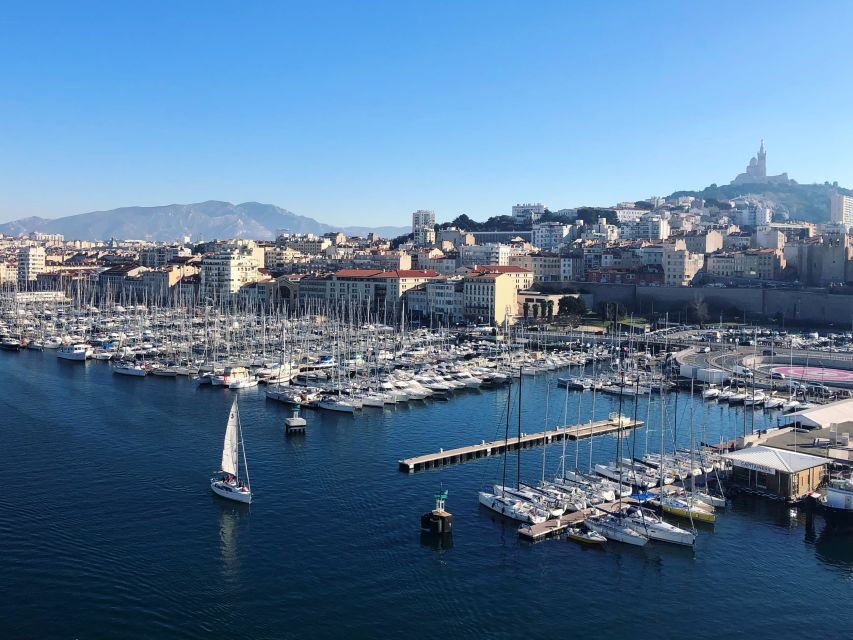
- La Canebière to the Old Port gives you the city’s main spine right away, so Marseille feels understandable from minute one.
- le Panier turns into more than a neighborhood name when the guide connects it to the city’s older layers.
- Phocaean City context helps you see Marseille as more than a postcard port town.
- Mucem adds a modern contrast, so you get both the waterfront mood and the present-day look.
- Noémie’s storytelling style focuses on historical precision and the little visual cues you’d likely skip alone.
La Canebière and the Old Port: the fastest way to read Marseille
Start at 9 La Canebière, and you immediately get Marseille’s energy in your face. This is one of those places where the streets feel like a map: you can sense how the city grew around movement, trade, and arrivals. From the first stretch, the guide’s job is to help you connect the dots between what you’re walking past and what it meant historically.
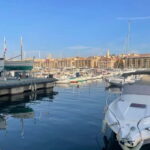
Then you shift toward the Old Port, and that’s where the atmosphere changes. The Old Port isn’t only for photos. It’s the kind of space where you can stand for a second, look at how the water shapes the edge of the city, and start understanding why Marseille became such a magnet for different cultures and visitors over time. You’ll appreciate the guide’s approach here because it’s not a memorization contest. It’s more like you’re learning a “why” while you move.
One practical tip: wear comfortable shoes. The tour is built on walking, and the route connects several landmark zones rather than staying in one neat, flat area. If your feet are happy, you’ll enjoy the pacing and take in the details without feeling rushed.
Other Old Port and Vieux Port tours in Marseille


le Panier: where the city’s older layers become visible
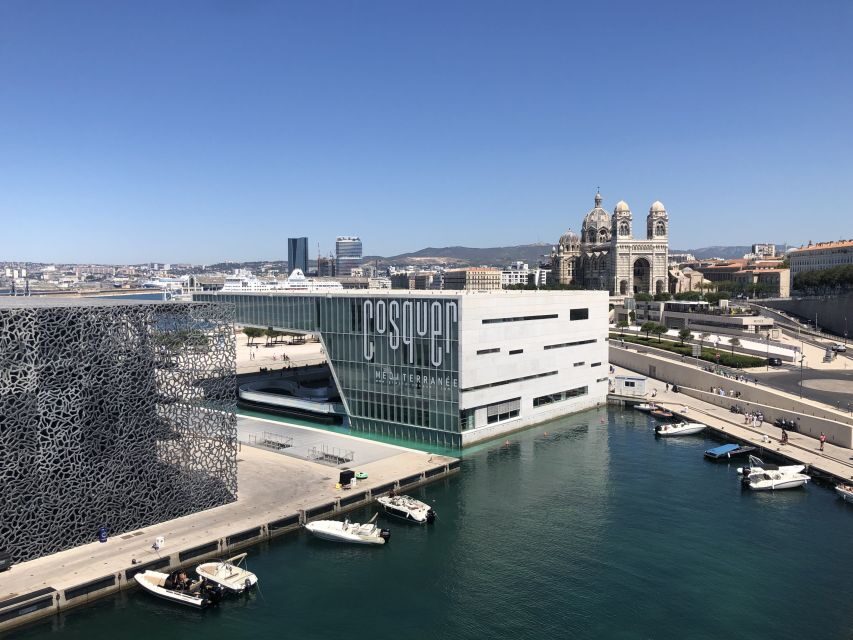
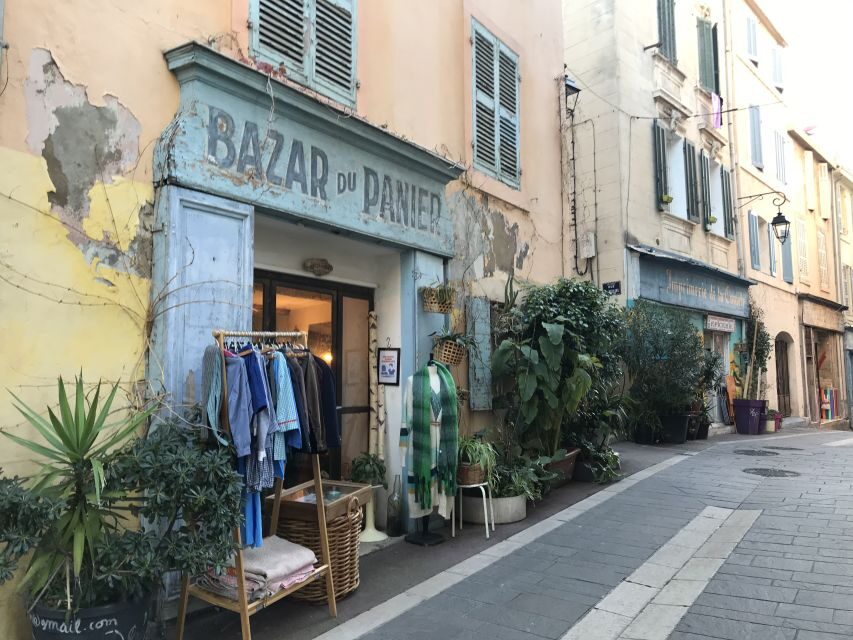
From the Old Port, the walk heads into le Panier, a district where Marseille’s character is written in the streets. Even if you’ve seen pictures, it’s the kind of neighborhood that only makes sense once you’re moving through it—turning corners, noticing the uneven rhythm of lanes, and realizing how tightly the built environment shapes daily life.
This part matters because it’s not just atmosphere. The tour frames Phocaean City history so it connects to the neighborhood’s identity. You’re not learning history as dates on a page. You’re learning it as a reason the city looks the way it does. That’s the difference between a generic walking tour and one that sticks with you after you leave.
I also like that the guide focuses on visual cues. When someone points out what to notice—how certain areas evolved, what to look for near major landmarks, and what details don’t stand out at first—you stop treating the sights like a checklist. You start seeing Marseille as a layered place.
Mucem: a modern waterfront stop with real context
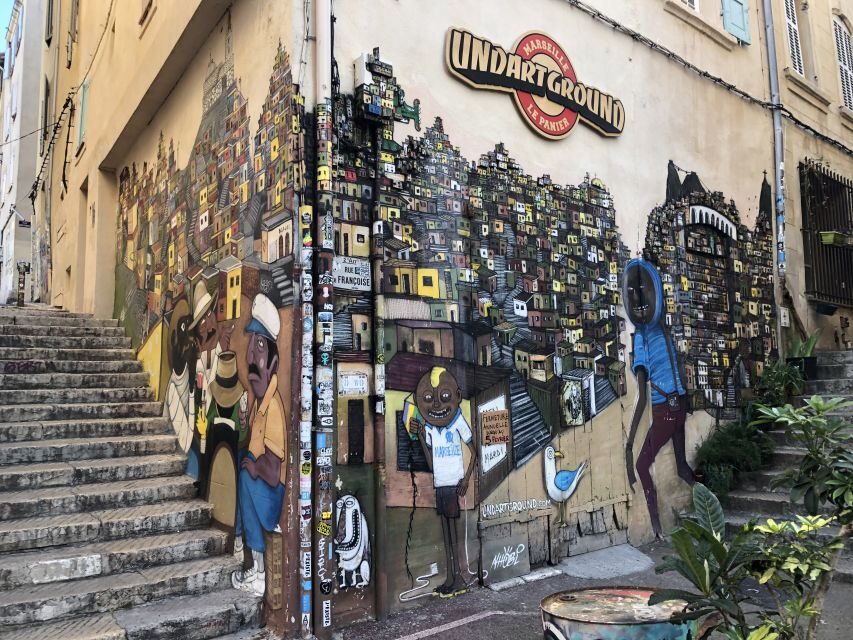
Next comes Mucem, and this is a smart pivot. The walk doesn’t stay stuck in the past. You get a modern landmark on the waterfront, which helps you understand Marseille as a living city rather than a history theme park.
Even if you’re not planning to spend time inside museums, the value is in the perspective change. Mucem sits where you can feel the pull of the sea and the port. That contrast—older city zones mixed with modern architecture—makes Marseille feel like itself. It’s a reminder that the city keeps evolving, even while its older story still shapes the present.
What you’ll enjoy here most is how the guide keeps tying the walk together. Instead of switching topics randomly, the tour uses each major stop to reinforce a bigger idea: Marseille’s geography and maritime identity have always been central.
If you’re short on time during your trip, this stop is especially useful. It helps you get a sense of how Marseille looks today without needing an extra plan.
La Major drop-off: finishing in the right place
The tour ends with drop-offs at Cathédrale La Major, specifically at Pl. de la Major, 13002 Marseille. Finishing near a major cathedral is not just convenient—it gives you an easy “anchor point” for the rest of your day.
Cathédrale La Major is one of those landmarks that helps you orient quickly. By the time you reach the drop-off area, you’ve already walked through the city’s port core and its historic neighborhood. Having the cathedral zone as the ending point makes it easier to choose your next move: continue exploring nearby streets, shift toward food, or simply use the area as your base to regroup.
If your schedule is tight, this ending point is a real advantage because you’re not left wondering what neighborhood you’re in or how far you need to walk to your next destination.
The 1.5-hour format: enough for highlights, not for exhaustion
This is a 1.5-hour guided walking tour. That duration hits a useful sweet spot. It’s long enough to connect multiple famous zones—La Canebière, the Old Port, le Panier, Mucem, and then the La Major area—so you don’t feel like you only saw one corner of the city.
At the same time, it’s short enough that you can fit it early in a trip for orientation. If you’re in Marseille for a few days, starting with a quick guided route like this can help you plan the rest of your sightseeing with more confidence, because you understand the geography and how the neighborhoods relate.
Because it’s on foot, keep your expectations realistic. This tour is about moving and learning as you go—not about long museum time or extended stops for photos. If you want to linger, do it before or after this walk, not during it.





Price and group size: what $125 per group buys you
The price is $125 per group up to 20. That’s a big part of the value story here. You’re not paying per person based on headcount—so if you’re booking with friends or family, the math can work out nicely. Even if it’s small, you’re still getting a real guide, a structured route, and a focused introduction to Marseille’s key areas.
Think of it this way: you’re paying for your time to be used well. In a city like Marseille, that matters. There’s a lot to see, but it’s easy to wander without understanding why certain places matter. A guided walk helps you convert your sightseeing time into something you actually remember.
Also, the tour is private group. That usually means you’ll have more flexibility than a rigid, large-group bus-style format. You can ask questions in the moment (English or French), and the guide can pace you for a more personal experience.
If you’re traveling solo, it can still be worth it if you value interpretation and local storytelling. If you’re on a shoestring and want the cheapest possible option, you could do parts of this route on your own. But you’d miss the thread that connects the stops and makes Marseille feel readable instead of random.
Who this tour fits best in your itinerary
This tour is a great match if you’re:
- Visiting Marseille for the first time and want the core sights plus context
- More interested in understanding places than collecting only photos
- Traveling with a small group and want a guide who can explain as you walk
- Looking for English or French guidance without committing to a full day
It may not be the best fit if you want:
- A long museum visit schedule
- Several hours of free time for wandering without guidance
- A deep dive into one single attraction
In other words, it’s a smart first-step tour. It helps you get oriented, then you can spend the rest of your trip going deeper on your own terms.
Practical tips to get more out of the walk
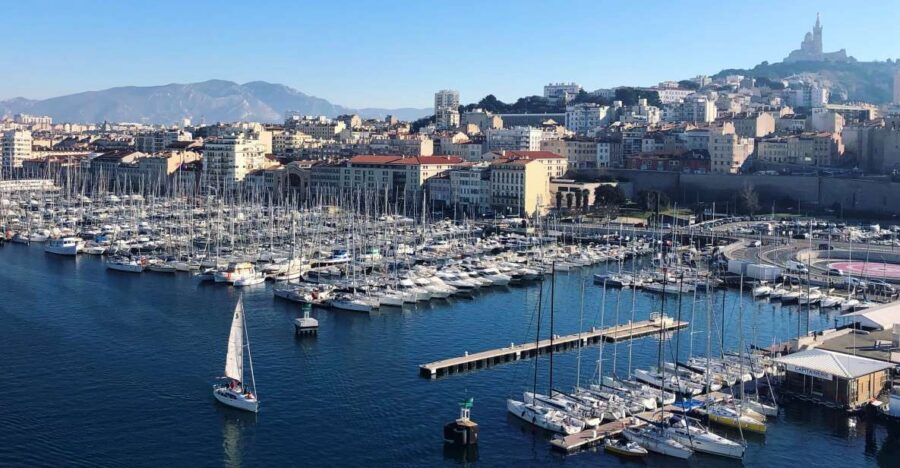
A few small things can make a big difference:
- Comfort first: you’re walking a route that connects multiple landmark areas.
- Bring a little curiosity: the value here is interpretation. If you ask yourself what you’re seeing, the stories will stick.
- Use the ending as a plan: since the drop-off is near Cathédrale La Major, decide in advance what you’ll do next—eat, keep walking nearby, or head elsewhere.
Also, the fact that the guide is professional and uses historical precision means you’ll get better results if you listen closely early on. The first stops set the framework, and everything afterward clicks more easily.
Should you book Marseille: The Old Port and le Panier?
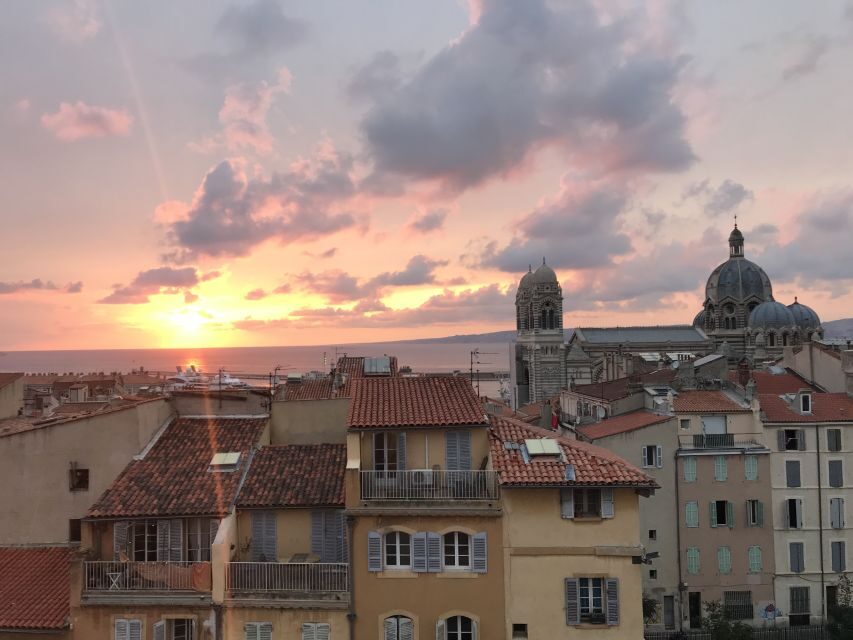
I’d book it if you want a time-efficient, well-told introduction to Marseille. The main reasons are simple: you get the city’s major walking highlights in a tight loop, and you get an expert guide in English or French who focuses on connecting landmarks to how Marseille developed. The route also finishes near Cathédrale La Major, which makes it easier to keep your day flowing.
Skip it if you’re looking for a long, unhurried museum day or if you already know Marseille’s layout and you’re comfortable exploring without historical guidance. But if you’re trying to understand Marseille quickly and reliably, this is the kind of tour that makes your next steps better.
FAQ
How long is the walking tour?
The duration is 1.5 hours.
Where does the tour start?
The tour starts at 9 La Canebière.
Where are the drop-off locations at the end?
The drop-off locations are near Cathédrale La Major, Pl. de la Major, 13002 Marseille, France.
What languages are the guides available in?
The tour is offered in English and French.
Is this tour private or in a group?
It’s offered as a private group.
What is included in the price?
The tour includes a walking guided tour.
How much does the tour cost?
The price is $125 per group up to 20.
Can I cancel or pay later?
Yes. You can reserve now & pay later, and you can cancel up to 24 hours in advance for a full refund.