REVIEW · MARSEILLE
Drive by cabriolet from Marseille cruise port to cassis
Book on Viator →Operated by Aixellcars ste · Bookable on Viator
Marseille to Cassis by cabriolet is the kind of shore excursion you feel in your chest, not just your camera. You start with easy pickup at the cruise terminal, then spend the day weaving along classic coastal roads, with timed stops at Marseille viewpoints, the Calanques, and the harbor town of Cassis.
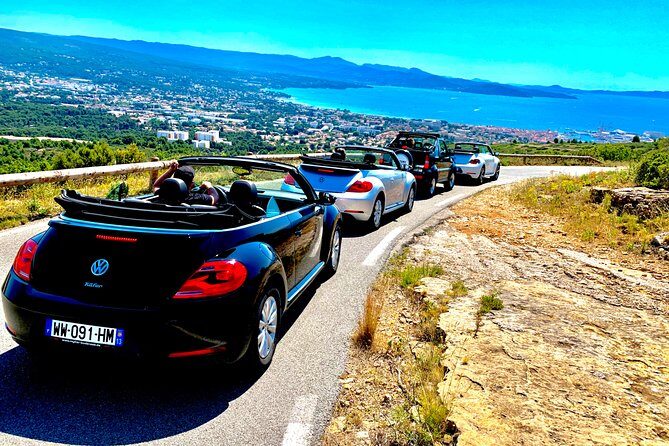
I especially love two parts: first, the VW convertible experience itself—open air, fun driving, and the route takes you places regular buses simply can’t. Second, Denis and Virginia turn photo stops into something active: they help you get great shots and even make video souvenirs from your day.
One consideration: the cars are small, and the back seat in a VW Beetle-style convertible is tight for taller people. Also, a few key road stops can be affected by strong wind/heat in summer, so keep your expectations flexible.
In This Review
- Key highlights worth knowing
- From Marseille cruise terminal to open-air driving
- Kennedy Corniche: a quick win for sea views and Marseille orientation
- Figuerolles Calanque: 87 steps, turquoise water, and a swimming mood
- Port of Cassis: where the day turns from driving to living
- Marseille in small hits: Prado beaches, Old Port, and two major cathedrals
- Route des Crêtes and Cap Canaille: where you really earn those views
- Calanques National Park: short visits to big nature (and why that’s enough)
- La Ciotat: Calanques gateway and cinema street pride
- Notre-Dame de la Garde and La Major: two views from the same city
- Who this cabriolet tour suits best
- Value for money: why $580.72 per group can make sense
- So, should you book it?
- FAQ
- What time does the tour start, and how long is it?
- Where do you pick us up from on a cruise?
- Is this a private tour?
- How many people are in the group?
- What’s included in the price?
- What is not included?
- Does the tour run in bad weather?
Key highlights worth knowing
- Denis and Virginia handle the details: lots of photos and video clips created during the day
- Real open-air driving: the experience is more than sightseeing; it’s part of the fun
- Cassis gets real time: walk the port, grab lunch or gelato, shop, then soak up the coastal mood
- Calanques National Park energy: quick visits to big scenery and short nature breaks
- Small groups stay manageable: max 16 people total, with max 4 per reserved car
- Practical inclusions: air-conditioned vehicle, bottled water, and ticketed stops
From Marseille cruise terminal to open-air driving
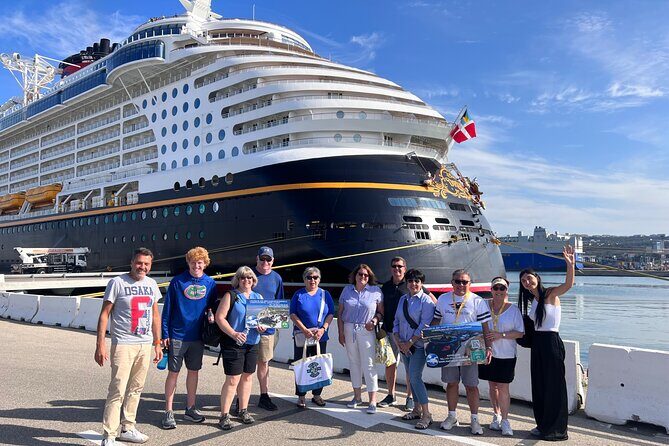
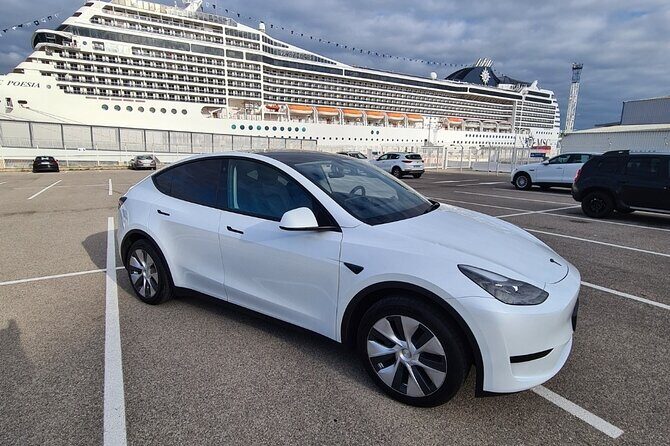
If you like your cruise days with less “wait in line” and more “go go go,” this format works. Pickup happens right by your ship at the Marseille cruise terminal (or inside it, depending on where ships are moored), or in front of the InterContinental hotel near the Old Port. The start time is 9:30am, and the whole outing runs about 5 to 7 hours, so you’re back before the evening rush.
The vehicle style is a big part of the value. You’re not in a big bus herd. Instead, you ride in a small-group setup with VW cabriolets where the road matters. You’ll be following your guides, staying together, and stopping often for views and photos—so you get the best parts of the coastal drive without needing to plan roads, parking, or timing.
One smart detail for a cruise stop: the tour is set up as a private tour/activity for your group, not a shared mega-coach plan. Total capacity is capped at 16 people, and the site notes that they can’t add extras who didn’t book through the platform—so if you’re thinking of inviting someone last-minute, decide ahead of time.
Other Cassis day trips we've reviewed in Marseille
Kennedy Corniche: a quick win for sea views and Marseille orientation
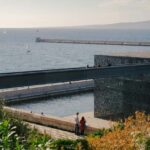
Early on, you’ll catch the famous Corniche Kennedy, also known as the Corniche du Président-John-Fitzgerald-Kennedy. This is a long stretch of seaside boulevard along the water, connecting Plage des Catalans to Plages du Prado. The key reason to love this stop is simple: it gives you a fast sense of how Marseille sits on the Mediterranean—by the time you reach Cassis, you’ll feel like you’ve already learned the geography.
You also get a famous local detail: the long concrete bench along the Corniche, famous for being among the longest in the world. Even if you don’t measure it, you’ll recognize it. It’s the kind of landmark that makes your photos look instantly “Marseille.”
This is a shorter stop (about 30 minutes). That’s good if you’re on a cruise schedule, but it’s not a place for a slow beach-day hang. Think of it as orientation plus views, not a long explore.
Figuerolles Calanque: 87 steps, turquoise water, and a swimming mood
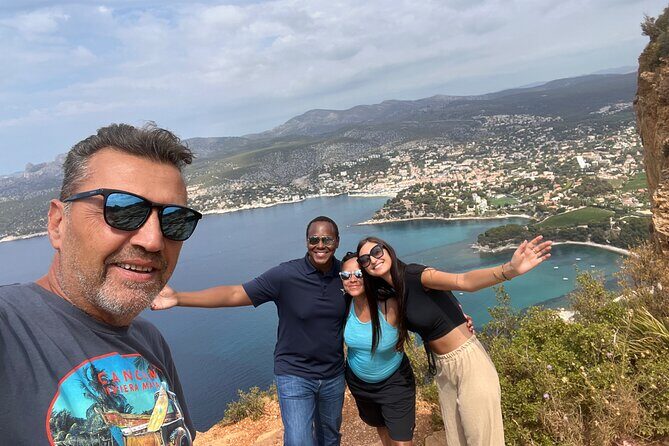
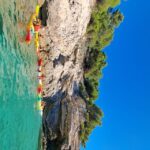
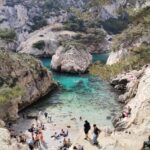
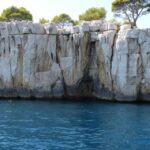
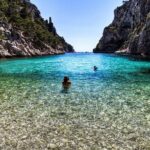
Next you head toward La Calanque de Figuerolles, a cove known for striking color in the water and a small pebble beach vibe. The big “wow” detail here is access: you reach the cove by a path of 87 steps. If you’re comfortable with steps and want a classic Mediterranean cove experience, this is a great stop.
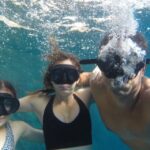
You’ll usually feel the tempo shift here. It’s a chance to slow down: take in the cliffs, look at the water, and if conditions allow, enjoy the swim-and-photo rhythm. Scuba diving is popular in this area too, and the cove has inspired artists because of the vivid look of the water and rock.
There’s also a practical perk: the stop is only about 30 minutes, and there’s a restaurant on-site (Chez Tania) with landscape views. In reality, you’ll use the time for photos, water time, and a quick rest—just don’t count on a long meal unless your group time allows it.
One thing to keep in mind: summer is busy here. The tour timing helps, but if you hate crowds, aim for earlier hours when you can.
Port of Cassis: where the day turns from driving to living
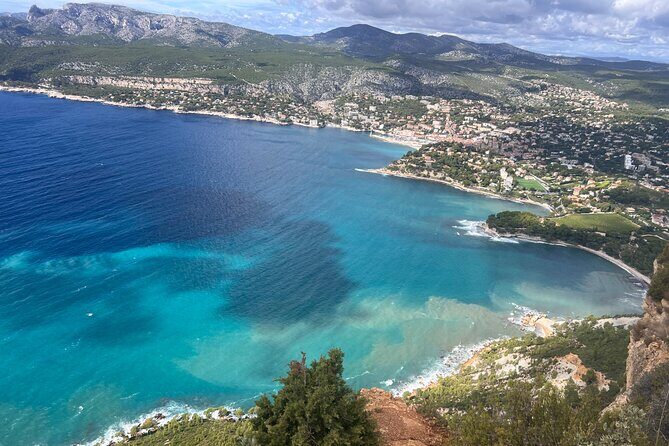
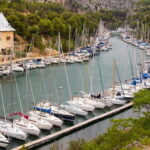
Then it’s time for the main town most people came for: Cassis. This is a small fishing port tucked between dramatic cliffs and the Calanques area, with colorful streets and a harbor full of terraces. The best part about Cassis is that it doesn’t feel like a generic stop. You can actually do normal town things—walk, browse, grab lunch, and enjoy the sea air.
You’ll typically get around 30 minutes for Port de Cassis. That’s enough time for a stroll along the waterfront, a snack or lunch, and shopping. The port area is built for eating outside, and it’s easy to find a place to sit with a view and let the day slow down.
Cassis is also your gateway to the Calanques National Park. Even if you don’t hike long trails on this day, being in town gives you context. You see the connection between harbor life and the towering cliffs above.
One practical note: some parts of the day are photo-stop style, so your Cassis time is the moment to treat like free time. If you want a gelato, a casual lunch, or to wander side streets, this is where you do it.
Marseille in small hits: Prado beaches, Old Port, and two major cathedrals
On the return side of the day (or woven into the route), you’ll see several Marseille highlights without trying to cram the entire city into one outing. The goal here is quick recognition: enough to make Marseille feel like a place with layers.
Here’s what you can expect:
- Plages du Prado: about 3.5 km of beach area along the coast. You get a sense of how Marseille locals use the water. The beach area was developed beginning in the 1970s and reclaimed with landfill, but what matters for you is the setup—plus the fact that it’s well served by transit.
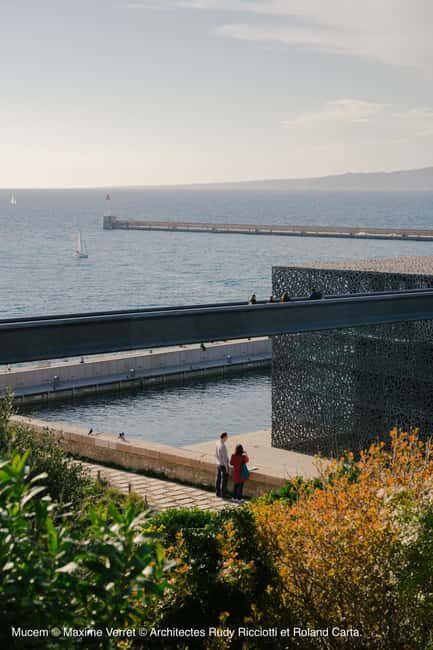
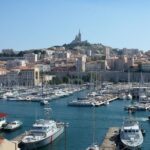
- Le Vieux Port (the Old Port): this is the city’s historic heart, where Greek-founded Marseille began. Today it’s a walkable, restaurant-lined center with a lively waterfront atmosphere, including the fish market in the morning.
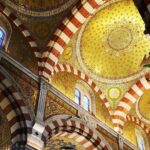
- Cathedrale de la Major (La Major): a bold neo-Byzantine cathedral near the Old Port/Joliette area. It’s huge for Marseille, with a long nave and towers, and it can hold up to 3,000 people.
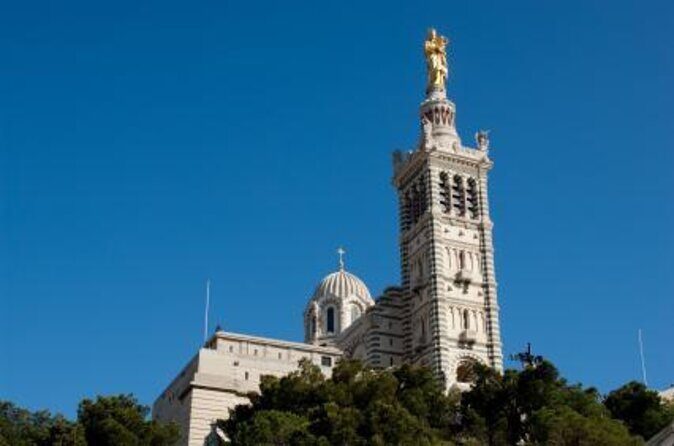
- Basilique Notre-Dame de la Garde: a hilltop basilica that locals call the Good Mother. It’s about 149 meters above the city and gives big panoramic views. The building is Romano-Byzantine, with mosaics and a massive statue at the top.
If you’re trying to decide between a city tour and a nature day, this structure is smart. You don’t lose the whole day to paperwork-style museum stops. You get the city’s identity in snapshots, then return to the coast for the real payoff.
The only caution: hill viewpoints depend on road conditions. The plan notes that if the road to the basilica area is closed, passage may be possible on request. So think of it as a “best attempt with great views,” not a guaranteed ticketed museum stop.
Other shore excursions from Marseille cruise port

Route des Crêtes and Cap Canaille: where you really earn those views
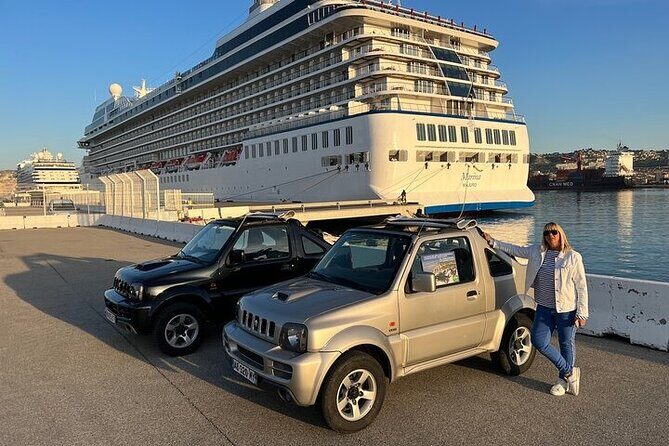
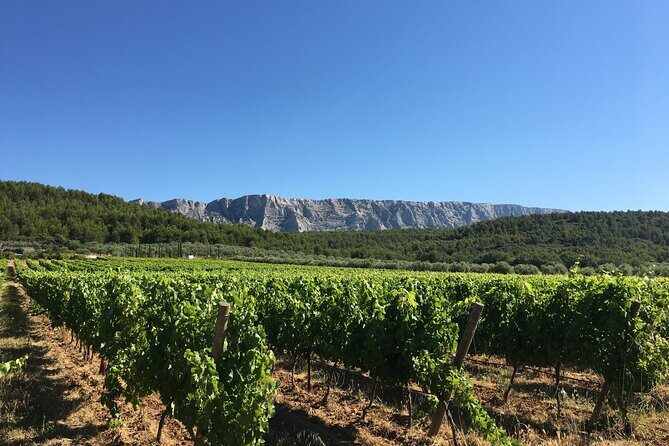
This is the part of the day where your passengers will start saying things out loud. Route des Crêtes is an iconic panoramic road connecting Cassis to La Ciotat, about 15 km with a string of viewpoints. You’ll see the Calanques massif and Cap Canaille, which tops out at 394 meters—one of the highest sea cliffs in Europe.
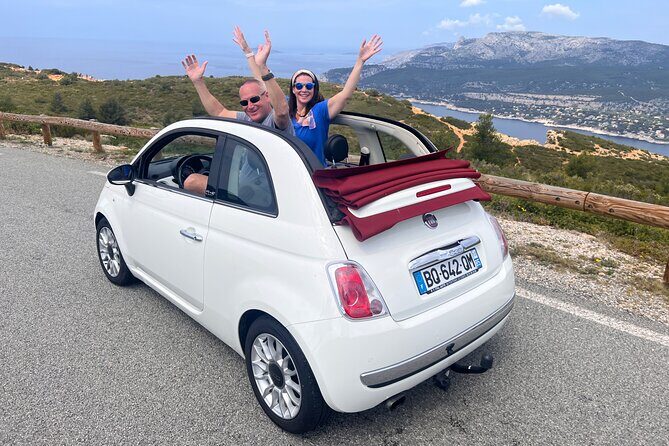
This section is why the convertible format works. On a calm road, you feel the wind, and on the viewpoints you get a 3D sense of depth: the water below, the cliffs around, and the scale of the coastline.
One practical consideration: in summer, the ridge road can be closed due to strong winds and significant heat, or it can be restricted on some Sundays. If that happens, one of the stops—like Cap Canaille—may not take place. You still get the rest, but if that view is your top priority, keep a little flexibility.
Even when access is limited, the region itself stays dramatic. You’ll have photo stops that make the day feel like you crossed from “town time” into “cliff time.”
Calanques National Park: short visits to big nature (and why that’s enough)
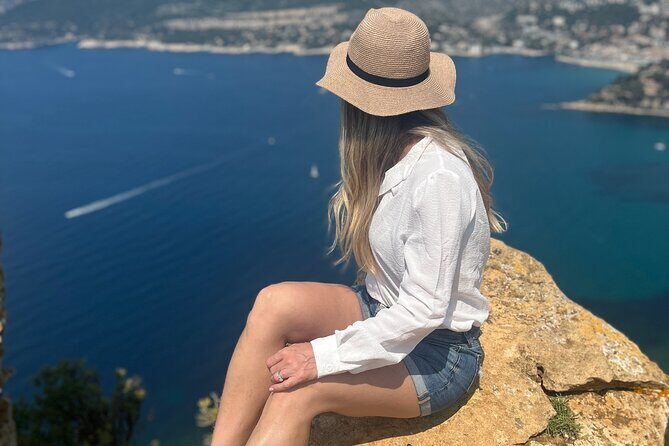
The day also touches the Parc national des Calanques, which sits between Marseille and Cassis. It’s about 20 km long and was created in 2012. It covers roughly 8,500 hectares of land and 43,500 hectares of sea. That’s a lot of protection and a lot of ecosystem pressure—because the park draws 2 to 3 million visitors each year.
So here’s the practical angle for your experience: on this tour, you’re not trying to conquer the entire park. You get timed breaks that let you see what makes it special—narrow coves, limestone cliffs, and water that looks unreal on a bright day.
There are two related park moments built into the day. One focuses on the Calanques near Cassis—often described as a haven for hikers—where marked trails and boat access help you explore places like Port Miou, Port Pin, and En Vau (you won’t do all of this in a half hour, but you’ll see enough to understand why people plan longer trips). Another park mention emphasizes the national park’s biodiversity and the fact that tourism management matters.
What this means for you: even with short stops of about 30 minutes, you’ll get a feel for the ecosystem and the scenery. You’ll likely also want to plan a longer hike on a future visit if this day hooks you.
La Ciotat: Calanques gateway and cinema street pride
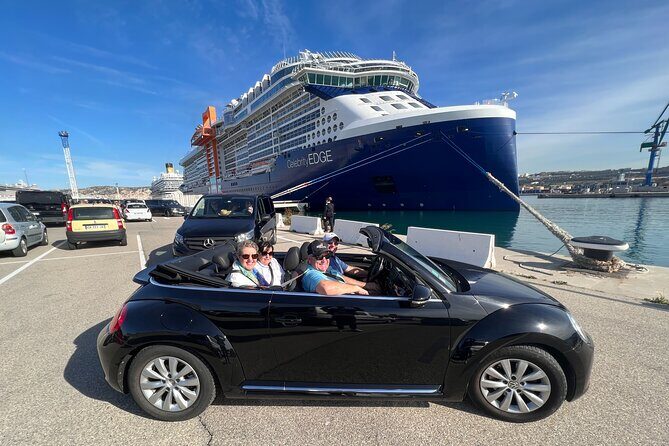
As the route continues, you’ll reach La Ciotat, about 31 km east of Marseille. This town acts like a gateway to the Calanques National Park, and it also has a cultural claim that’s easy to remember: it’s the birthplace of cinema. The Lumière brothers’ first public screening happened there in 1895 in the Eden cinema, still operating today.
On this tour, your La Ciotat time is short—around 5 to 20 minutes depending on the stop pattern—so you’re not doing a full town tour. Instead, you’re getting enough time to enjoy the Mediterranean feel, move around the historic center vibe, and connect it back to the nature on your route.
If you like to end a day with a place that feels more lived-in than postcard-only, La Ciotat is a nice match.
Notre-Dame de la Garde and La Major: two views from the same city
If you’re one of those people who says you don’t need more stairs, I get it. But Marseille is built for viewpoints, and the tour leans into it with two major religious landmarks.
- Notre-Dame de la Garde is the hillside icon. It’s associated with the Virgin Mary and offers panoramic views over Marseille and the sea.
- La Major (Cathedral of Sainte-Marie-Majeure) sits near the Old Port and gives you a different feel: a huge neo-Byzantine building designed to symbolize Marseille’s prosperity as a leading port.
Together, they help you read the city quickly. You go from “city on a hill” to “city on a harbor,” and you understand why Marseille works as a place to wander.
Also, the guides have a knack for keeping things moving without making it feel rushed. If your group enjoys photos, this is where you can ask for them—Denis in particular is known for taking lots of pictures and video clips.
Who this cabriolet tour suits best
This tour is made for people who want movement and personality more than strict museum schedules.
You’ll likely love it if:
- you want open-air driving with frequent photo stops
- you’re okay with a day that’s mostly scenic breaks plus town time
- you like family-run energy and guides who help you create memories beyond a quick snapshot
- you enjoy seeing both city highlights and the Calanques region in one day
You should think twice if:
- you’re tall and worried about a small back seat (there’s a specific caution from past groups)
- your idea of nature is long hikes. This is more “views and quick nature time” than an all-day trek
- you’re strongly dependent on one specific ridge viewpoint. Road closures can happen with heat and wind in summer
For families, it can work well, and the reviews include groups with kids in the single digits through teens. Just remember the tour has a safety note: children under 7 can’t be admitted on the walk portion unless otherwise agreed, with the parent responsible under full responsibility.
Value for money: why $580.72 per group can make sense
Price is $580.72 per group (up to 4). That sounds premium, and it is. But on a cruise day, value can come from two things: time saved and experience gained.
What you’re buying here isn’t just transport. You get:
- air-conditioned vehicle
- bottled water (one small bottle per person)
- ticketed admission for multiple stops
- the convertible experience and a route designed around views
Also, the small-group setup matters. With a max 16 people total and max 4 per reserved car, you’re not fighting for space. And because the guides help with photo/video, you come away with more than memories you only half-captured.
One more value angle: in cruise ports, many excursions become expensive when you add transportation hassles and parking and “what do we do when we arrive” time. Here, the day is structured so you always know where to go next.
So, should you book it?
Book this tour if you want a cruise shore day that feels like a road trip: Denis and Virginia’s energy, lots of photo/video moments, and a tight route that hits Marseille highlights, the Calanques region, and the town of Cassis.
Skip (or at least compare other options) if you want long, calm hiking time, or you’re worried about comfort in a compact convertible. Also, if your dream is a single ridge-view moment, remember summer wind/heat can affect road access.
If you match the vibe—open air, frequent viewpoints, and a little humor in the driving—this is one of those excursions you’ll remember on the flight home.
FAQ
What time does the tour start, and how long is it?
The tour starts at 9:30am. The total duration is about 5 to 7 hours.
Where do you pick us up from on a cruise?
Pickup is in front of or inside the Marseille cruise ship terminal (depending on the mooring dock), in front of your boat, or in front of the InterContinental hotel near the Old Port.
Is this a private tour?
Yes. It’s listed as a private tour/activity, meaning only your group participates.
How many people are in the group?
Total capacity is 16 people maximum per tour, and there are two minibuses holding 8 people plus the driver. Also, the site notes maximum 4 people per car reserved.
What’s included in the price?
Included: all fees and taxes, an air-conditioned vehicle, bottled water (one small bottle per person), and admission tickets for the ticketed stops. The tour is offered in English and uses a mobile ticket.
What is not included?
Not included: snacks and tips.
Does the tour run in bad weather?
It requires good weather. If canceled due to poor weather, you’ll be offered a different date or a full refund.