REVIEW · MARSEILLE
Marseille: Half-Day E-Bike Tour from Cruise Port
Book on GetYourGuide →Operated by FADA BIKE CAFE, TOURS & Rentals MARSEILLE · Bookable on GetYourGuide
Cruise day turns better when you stop walking. This half-day Marseille e-bike tour packs big sights and smaller side streets into about four hours, guided in a small group so you actually hear the stories. I like how it’s built for cruise timing, with a pickup right by your ship and a route that aims to hit the highlights without wasting your limited shore time.
Two things I especially like: you ride a real electric bike with easy pedaling, which makes hills manageable while still getting that street-level feel. And you’re not just glued to famous stops—your guide steers you toward local alleys and viewpoints, plus major landmarks like MuCEM and Notre-Dame de la Garde.
One thing to consider: this is an active ride through busy streets near traffic, and you must pedal the whole time. The Notre-Dame de la Garde climb can feel like a proper workout if you’re not used to hills, even with the motor helping.
In This Review
- Key Points You’ll Care About
- E-Bikes Mean You See More Marseille in Less Time
- From the Cruise Port to the Bike Shop: Getting Set Up Fast
- MuCEM and the Old Port: Marseille’s Modern Face
- Pharo Palace and the Ride Along the Water
- Vallon des Auffes: Small-Cove Views Without the Big-Tour Feel
- Notre-Dame de la Garde: The Hill, the Views, the Reality Check
- The Best Part Isn’t on the Map: Local Alleys and Street Stories
- How Long It Really Takes: Planning Your Shore Time
- E-Bikes in Marseille Traffic: What You Need to Be Ready For
- Who This Tour Fits Best (And Who Should Skip It)
- Value for $93: What You’re Actually Buying
- Should You Book This Marseille E-Bike Tour?
- FAQ
- How long is the Marseille half-day e-bike tour?
- What is included in the price?
- Is food and drink included?
- Do I need bicycle riding experience?
- Are there height, weight, and age limits?
- Is the tour suitable for pregnant women or people with medical issues?
Key Points You’ll Care About
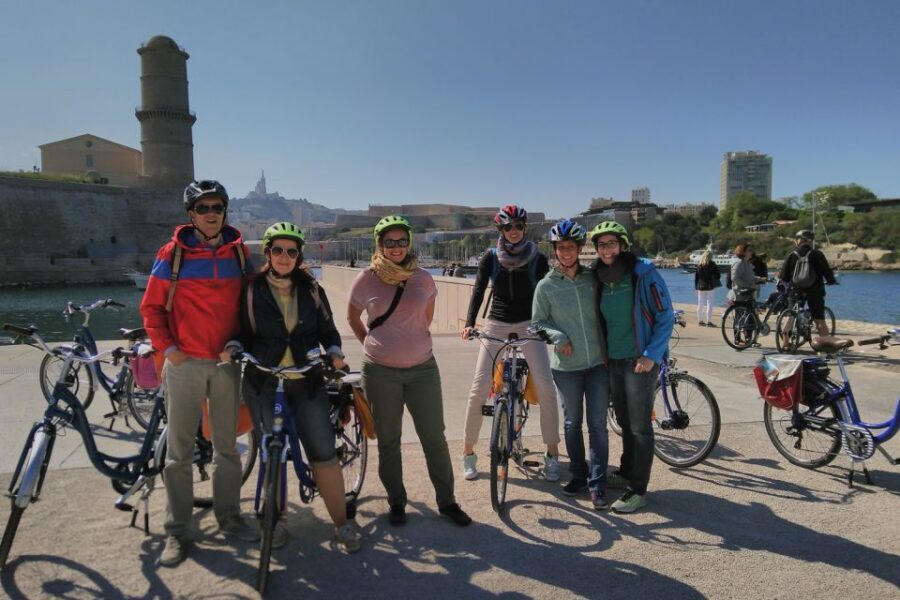
- Small group size (max 8) means you get personal attention and can ask questions without shouting.
- Cruise-friendly timing, including shuttle help and a planned drop-off back in the city center.
- MuCEM + Old Port + Notre-Dame de la Garde in one loop, so you see Marseille’s full range.
- Pharo Palace and Vallon des Auffes add variety beyond the postcard spots.
- Comfort on busy roads matters more than bike fitness—stay alert and ride confidently.
E-Bikes Mean You See More Marseille in Less Time
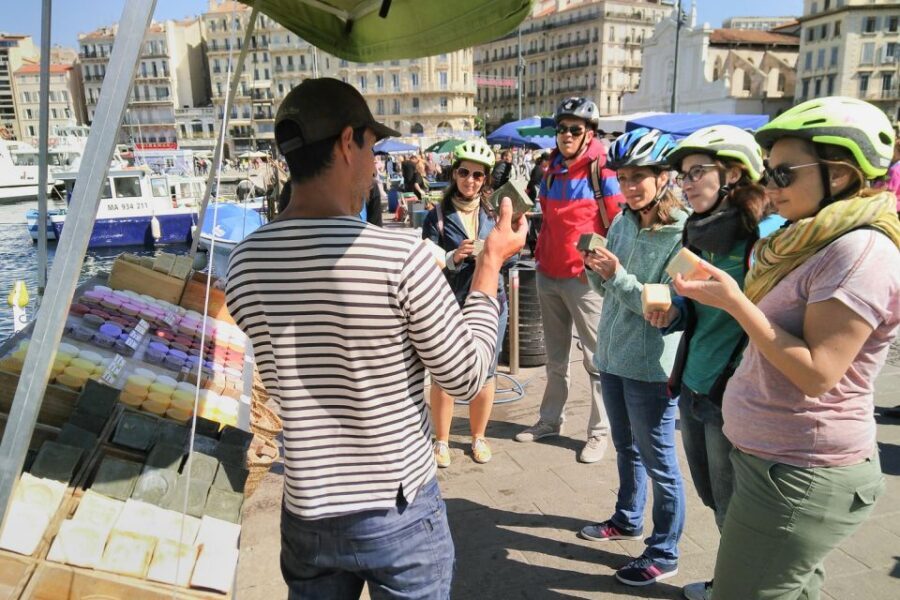
Marseille is spread out, and with a cruise stop you usually pay for distance in tired legs and missed views. This tour’s whole pitch is simple: cover a lot of ground on a bike, but don’t let hills run your day.
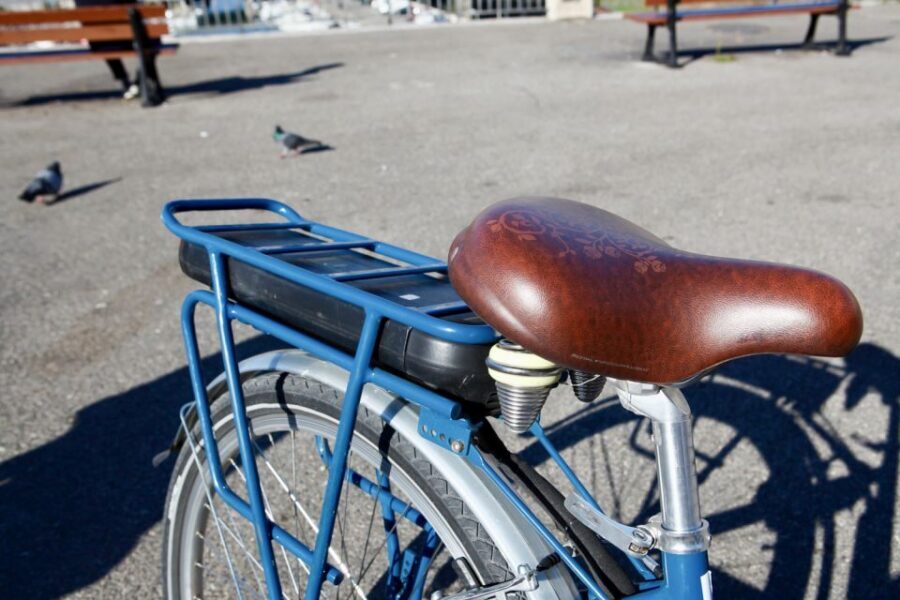
You’ll start at the cruise port area, then transfer by shuttle to the shop or starting point. After a security briefing and the bike handoff, your guide leads you out for a 4-hour sightseeing ride that mixes big landmarks with less-frequented streets. The small group format helps here. When you’re with only a handful of people, you can hear the guide’s explanations and still keep the pace moving.
One practical note: the bikes are electric, but the tour requires pedaling throughout. So think of it as assisted riding, not a sit-and-watch ride. If you know how to ride a bike and you’re comfortable keeping steady effort, you’ll feel the benefit fast.
Other shore excursions from Marseille cruise port

From the Cruise Port to the Bike Shop: Getting Set Up Fast
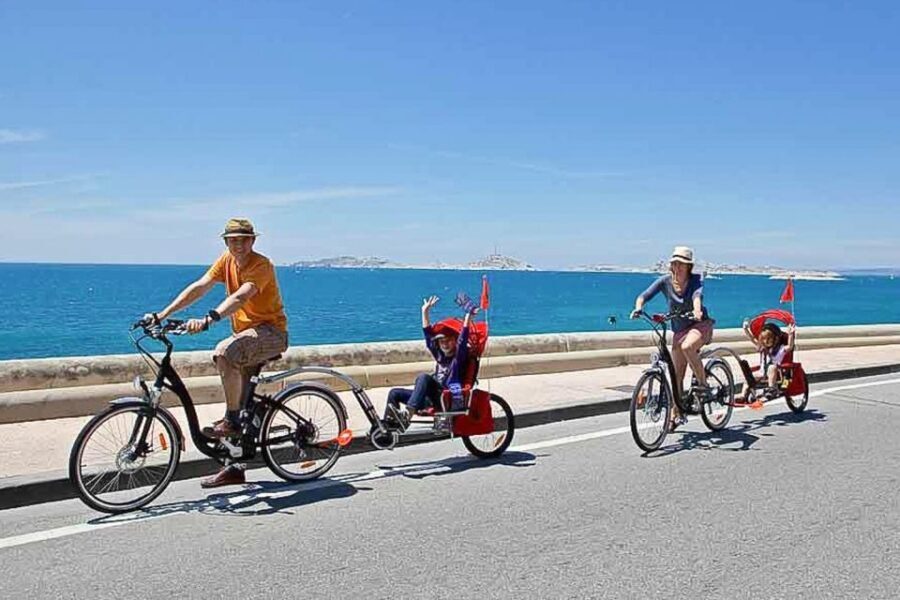
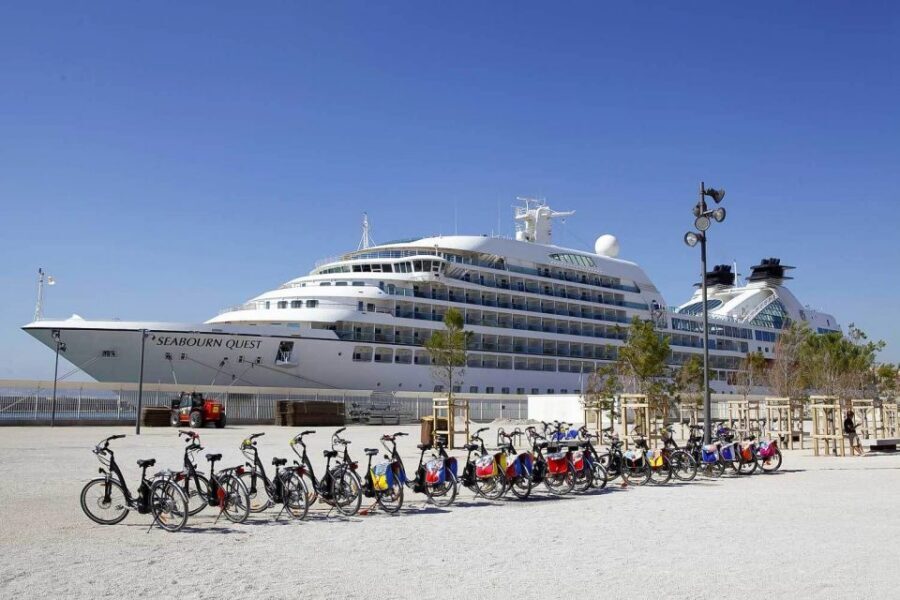
Your day begins right at the cruise ship pick-up point. Then you get a short shuttle ride to the start area, where the team covers bike basics and safety. You’ll wear a helmet and use an electric bicycle, so you’re geared up before you hit street traffic.
A nice bonus is the vibe of the partner shop area. The tour is run by FADA BIKE CAFE, TOURS & Rentals MARSEILLE, and in practice it often feels like a small café-style hangout rather than a cold checklist. Some visitors describe coffee, sandwiches, and even beer at the shop, plus a lot of personality—like creative doodles by Hélène showing up on helmets and bikes. Even if you don’t plan to stop for a snack, it helps make the start feel welcoming.
Timing matters on cruise days. Your route is built to fit a shore window, and you’ll end with a drop that lets you get back to the ship using the provided shuttle (or on your own if that’s your preference). That reduces the usual stress of trying to navigate Marseille independently with limited hours.
MuCEM and the Old Port: Marseille’s Modern Face
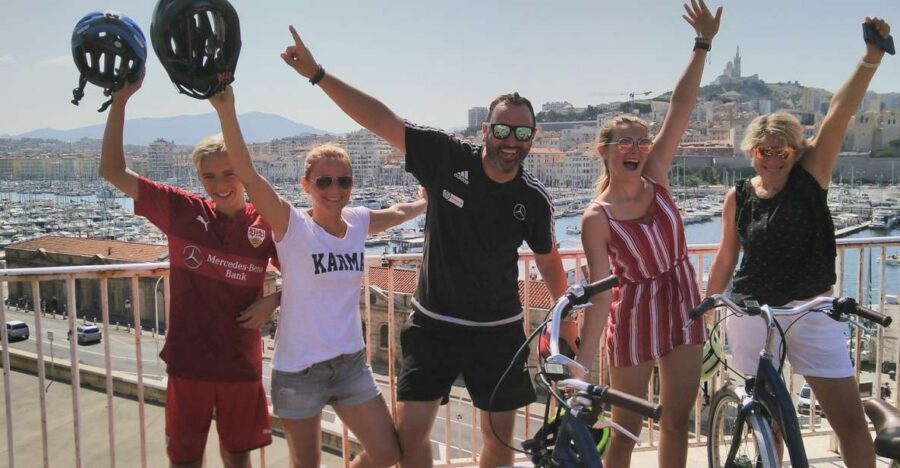
MuCEM is one of the stops that instantly tells you you’re in the right place. It’s a showpiece on the waterfront, and it works well on an e-bike because you can pause for photos and viewpoints without losing the flow of the ride.
After that, the tour swings you toward the Old Port (Vieux-Port) area. This is where Marseille feels like a working city, not just a sightseeing backdrop. Riding here gives you a different angle than you get on foot or bus: you can glide along the harbor edges, see how streets funnel toward the water, and understand the city’s layout in your body, not just your photos.
What I like about combining MuCEM with the Old Port is the contrast. You go from modern forms and museum energy to the older working shoreline where the city’s everyday rhythm shows through.
Pharo Palace and the Ride Along the Water
Next comes Pharo Palace, which adds a refined, seaside viewpoint to the mix. This stop is valuable because it changes the tempo of your ride. After the denser port areas, you get a more spacious sense of what surrounds the city—especially how the coastline and vantage points shape the views.
On a bike, you also notice things you’d miss with a slower transport mode. You can look over the water while still moving, and when the guide points out specific perspectives, you’re positioned to take them in immediately.
The payoff here is not just a landmark photo. It’s learning how the city “opens up” as you move—Marseille’s character isn’t one single spot. It’s a chain of viewpoints and neighborhoods that connect.
Vallon des Auffes: Small-Cove Views Without the Big-Tour Feel
Vallon des Auffes is a great example of why an e-bike tour can feel more authentic than a checklist. This area reads as a tucked-in cove, and that matters in Marseille because the city can go from busy streets to quiet angles surprisingly fast.
Riding near this part of the coast gives you a calmer visual break. You’re still in the city, still in motion, but the atmosphere shifts. You see how Marseille’s geography creates pockets of atmosphere—places that feel local and lived-in rather than staged for visitors.
This is also where the “small group” thing pays off. With fewer people, your guide can manage pauses and route turns more smoothly, and you’re less likely to feel like you’re being rushed through the best bits.
Other e-bike tours we've reviewed in Marseille

Notre-Dame de la Garde: The Hill, the Views, the Reality Check
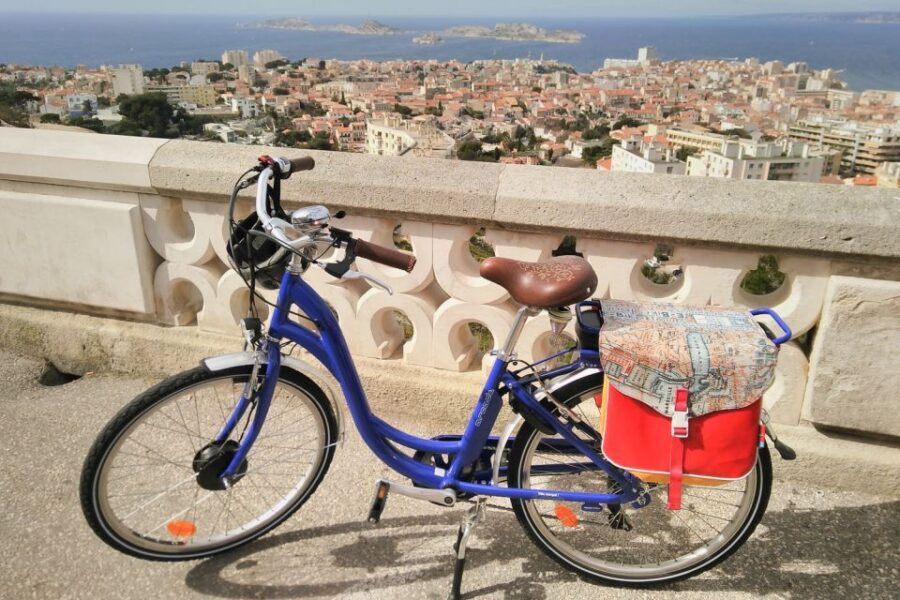
If you do one stop with real effort, this is it: Notre-Dame de la Garde. The cathedral sits on a hill with panoramic views, and that means the ride includes climbing. E-bikes help a lot, but you’ll still be pedaling, and the final push can be tough if you’re not used to uphill riding.
From what people consistently say, this is the part that separates easy days from “we worked for it” days. One common theme: the assisted motor reduces strain, but it doesn’t erase the fact that hills are hills. If you’re comfortable riding uphill and you’re not afraid of busy streets near traffic, you’ll likely find this segment doable.
What makes it worth it is the payoff. When you reach the viewpoint area, the whole city makes sense at once. You stop seeing isolated landmarks and start understanding Marseille as a set of layers—port, neighborhoods, coast, and the roads that climb between them.
Also, this stop can come with options to step into cathedral or museum spaces along the route. Even if you only spend a short time inside, it’s a nice change from just looking out.
The Best Part Isn’t on the Map: Local Alleys and Street Stories
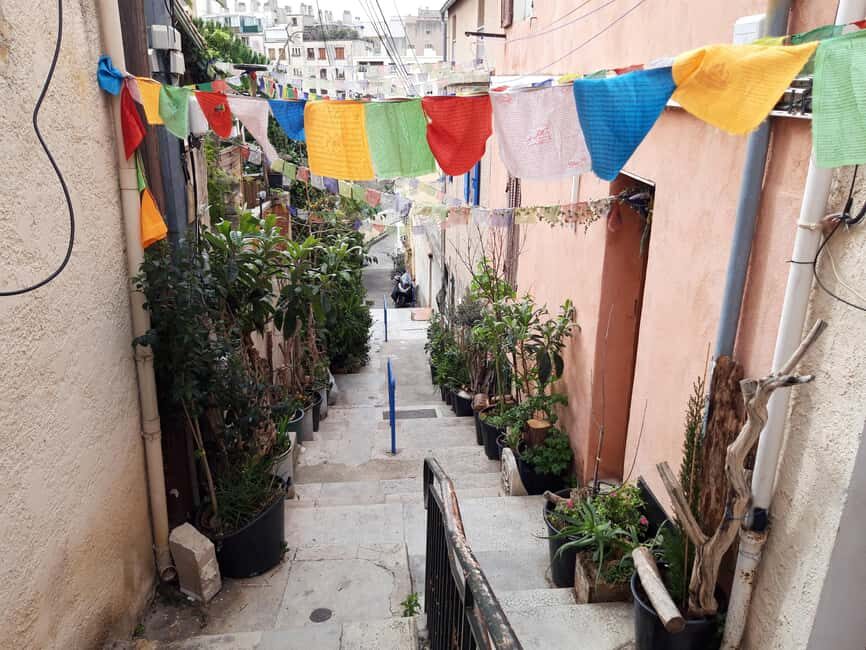
The route isn’t only famous landmarks. You also explore alleys only locals know about, which is exactly where Marseille’s personality lives. These are the streets with smaller storefronts, compact turns, and street-life details that don’t show up on a big bus loop.
This is where the guide’s role gets real. Your guide tells stories about landmarks and monuments as you pass them, but the street-level narration works best when you’re actually rolling through the neighborhoods, not staring at them from a distance. You’ll hear why certain buildings matter, how areas changed, and how the city sees itself now.
It’s also where language options help. The tour runs with guides who can speak Spanish, Dutch, English, Italian, French, and German. If your group needs a clear explanation, you’ll appreciate how much easier it is to ask questions when everyone can understand the guide.
Examples from past tours include guides like Louis, Raphael, Ann-Sophie, Eric, and Nathan leading groups, each with a style that blends history with practical city sense. You won’t know which guide you’ll get ahead of time, but you can count on the same core idea: stories tied to the street you’re riding on.
How Long It Really Takes: Planning Your Shore Time
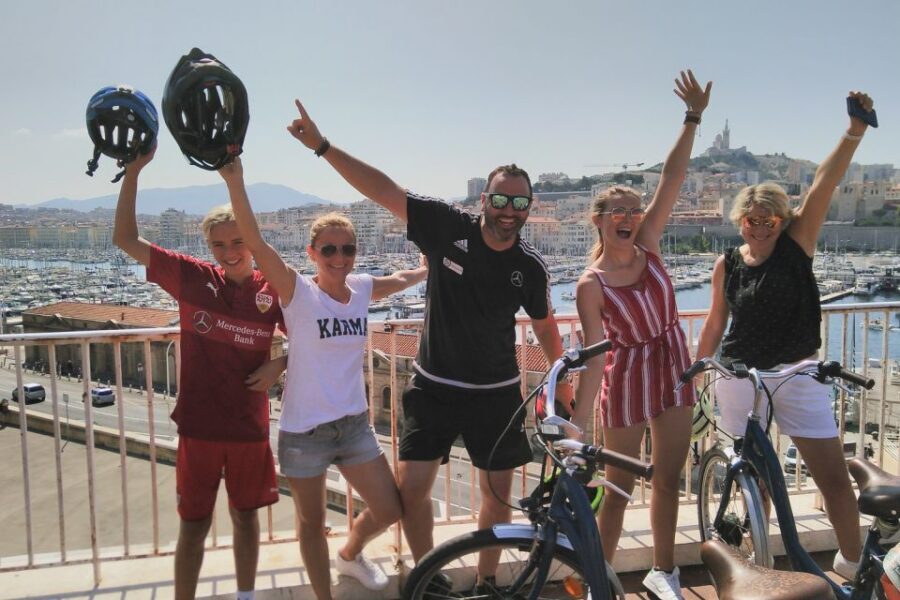
The tour runs about 210 minutes (around 4 hours), so it’s built for cruise passengers with limited time. You’re not going to see everything in Marseille in one morning or afternoon—but you will get a strong overview that would be hard to assemble on your own.
You’ll end with a drop-off in the city center, and a free shuttle is available to get you back to the ship. In practice, the exact drop point can vary, so I’d plan your own walking route loosely. Have a backup idea for how you’d return if you end up a bit farther than you expected.
One more tip that comes up: carry a bit of water and a small snack. The tour includes no food or drink, and the heat can make the uphill sections feel longer than they are.
E-Bikes in Marseille Traffic: What You Need to Be Ready For
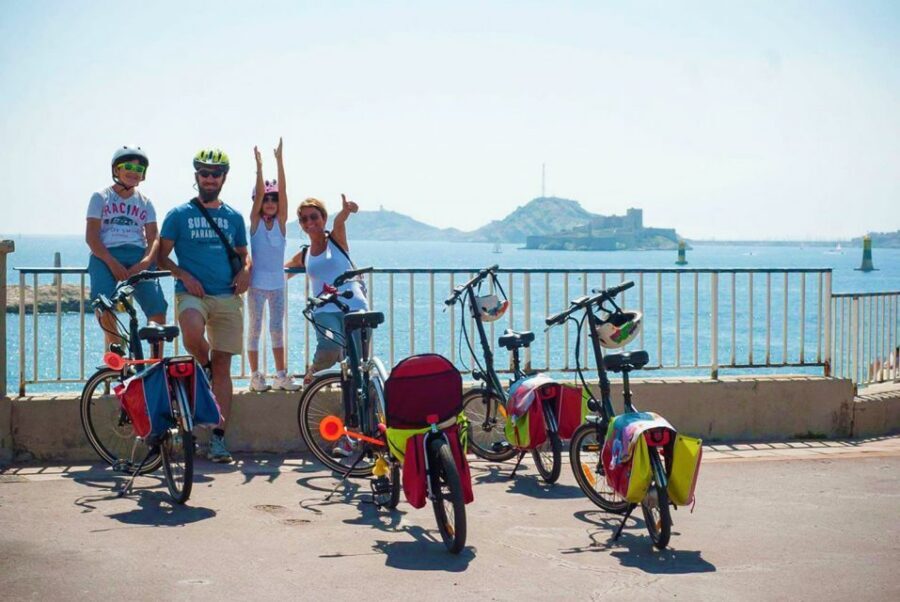
Here’s the honesty. Marseille has busy streets, and bike riding happens close to traffic on this route. The tour requires that you’re not afraid of riding in that kind of environment.
That’s not a reason to skip it—just a reason to prep your expectations. If you ride confidently, keep your head up, and follow the guide’s pacing, the ride tends to feel like controlled movement rather than chaos. But if you’re anxious about cars and tight lanes, you’ll feel it.
Also, the bikes do require basic use skills. You must know how to ride a bicycle and you need to pedal during the entire tour. There’s no “training wheels for adults” element here.
If you’ve never tried an e-bike before, consider this your first taste, not a stunt. The electric assistance should make hills and steady riding much easier than on a regular bike, but you still need bike balance and awareness.
Who This Tour Fits Best (And Who Should Skip It)
This is a great match if you want a high-coverage Marseille day with less physical strain than a fully active bike tour. It’s especially strong for first-time visitors on a cruise stop, because you get top sights without spending your entire shore day on transit.
That said, it’s not for everyone. The tour is not recommended for pregnant women. It’s also not recommended for people with heart complaints or other serious medical conditions, and it’s not suitable for people with back problems, knee problems, mobility impairments, or wheelchair users. Riders must be more than 1.45 meters tall, weigh less than 120 kg, and be less than 75 years old.
If you’re comfortable riding near traffic and you can handle a hill segment to Notre-Dame de la Garde, you’re likely a good fit. If hills and busy roads make you tense, you might want a different Marseille tour style.
Value for $93: What You’re Actually Buying
At $93 per person for about 4 hours, you’re paying for three main things: an electric bike, a helmet, and a guide who can move you through Marseille efficiently. You’re also paying for small-group time—max 8 people—and that matters when you want explanations at each stop.
Compared with taking a taxi around multiple sights, this can feel like a better deal because you’re getting both transportation and guiding in one. And compared with a walking tour, the e-bike gives you reach: you can cover more ground and still reach the viewpoints that normally eat up time.
No food or drink is included, so budget a stop before or after if you want a sit-down meal. But the tour structure is still strong: it gets you the big sights (MuCEM, Old Port, Pharo Palace, Vallon des Auffes, Notre-Dame de la Garde) plus side streets, which is a lot for a half day.
Should You Book This Marseille E-Bike Tour?
I’d book this tour if you want a smart cruise-day plan: see major landmarks, ride along the harbor, get panoramic views from Notre-Dame de la Garde, and still have time to experience neighborhoods through smaller alleys. The small group and guide-led storytelling make it feel like more than just transportation.
I would hesitate if you’re uncomfortable riding near busy streets with traffic, if you have back or knee issues, or if uphill riding stresses you out. Also, because you must pedal throughout, it’s not the best match for anyone who can’t manage basic bike effort.
If you’re a confident cyclist (or at least bike-comfortable), this is one of the most efficient ways to get a real feel for Marseille in a short window.
FAQ
How long is the Marseille half-day e-bike tour?
The tour lasts about 210 minutes, which is roughly 4 hours.
What is included in the price?
The tour includes an electric bicycle, a helmet, and a live guide.
Is food and drink included?
No. Food and drink are not included.
Do I need bicycle riding experience?
Yes. You must know how to ride a bicycle and you need to pedal throughout the ride, even with electric assistance.
Are there height, weight, and age limits?
Yes. Riders must be more than 1.45 meters tall, weigh less than 120 kg, and be less than 75 years old.
Is the tour suitable for pregnant women or people with medical issues?
No. It is not recommended for pregnant women, people with heart complaints or other serious medical conditions, and it is not recommended for people with back or knee problems. It is also not suitable for wheelchair users and people with mobility impairments.