REVIEW · MARSEILLE
Ultimate Calanques Panoramic e-bike Ride – 3h (Small Group)
Book on Viator →Operated by EVTT PROVENCE · Bookable on Viator
Calanques by e-bike feels like cheating. You get a panoramic pass through Calanques National Park, plus a swim stop when the season lines up, all in a tight group that keeps the ride fun and moving. I like that the guides run the show with real-world care, and names like Martin and Vincent show up again and again for patience and safety.
The best part for me is the mix: you’re not just looking out from a viewpoint. You actually bike through city streets and then into the park, stopping at places like Sormiou and Morgiou where the scenery turns into limestone-cliff drama. One thing to keep in mind: parts of the route can be gravelly and uneven, so this is best for riders who are comfortable on mixed surfaces.
In This Review
- Key points before you pedal
- Why Calanques by e-bike is such a smart move
- Price and time: what $83.48 buys you in real value
- Getting started at 3 Av. d’Odessa: the ride starts before the park
- Parc National des Calanques: the “big picture” hour that sets the tone
- Sormiou: the climb-view moment, then the swim payoff
- Morgiou: a working-village vibe tucked into limestone cliffs
- Callelongue and Cap Croisette: the ride feels like an outdoor road movie
- EVTT Provence near Pointe Rouge: services, snacks, and a reset by the sea
- Pace, terrain, and who should (and shouldn’t) book
- Guides, group size, and the safety feel you want on this route
- Should you book this Calanques e-bike ride
- FAQ
- How long is the Ultimate Calanques Panoramic e-bike ride?
- What is included in the price?
- Where does the tour start and end?
- Will I be able to swim in the Calanques?
- What kind of fitness level do I need?
- What weather happens if conditions are poor?
- Is there a cancellation policy?
Key points before you pedal
- Small-group energy (up to 9 per booking) means you’re not fighting for attention at every turn.
- Beach time is seasonal: Sormiou swim depends on time of year and weather.
- You still pedal: e-assist helps with hills and headwind, but it’s not a free ride.
- Expect mixed terrain: paved stretches, cycle paths, and some gravel/off-road feel.
- Guides adapt the route when conditions change, including closures due to events like fires.
- Comfort details matter: closed-toe shoes and loose clothes are the difference between smooth riding and annoying slipping.
Why Calanques by e-bike is such a smart move
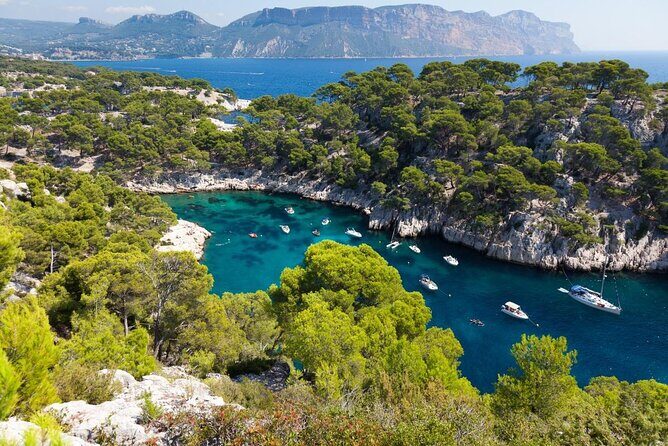
The Calanques between Marseille and Cassis are the kind of scenery that looks unreal from a distance. Up close, the cliffs, coves, and sea light make the whole area feel like a living postcard. The trick is timing and effort. On foot, you’d cover less. By bus, you’d see more stops but miss the winding roads and the sense of getting there by your own legs.
An e-bike turns that problem into a solution. The motor doesn’t replace riding—it just helps you get up the climbs without detonating your legs. That matters here because the route includes hills going in and out, and some stretches feel more like riding through a mix of park paths than a smooth cycling track.
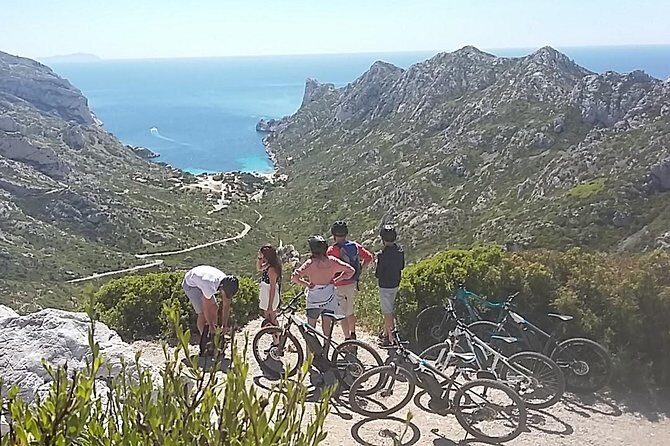
You also get the “walk up and look” bonus. At stops like Sormiou, you reach the top viewpoint area first, then go down toward the beach for swimming in the warmer months. It’s a route with built-in variety: views, descents, and that moment when you’re suddenly close enough to hear the water.
Other e-bike tours we've reviewed in Marseille
Price and time: what $83.48 buys you in real value
At $83.48 per person, the value is the combination of three things you’d otherwise have to piece together yourself: a guide, the e-bike, and a planned route that hits multiple Calanques with limited wasted time.
A 3–4 hour morning slot is also practical. You’re not committing a whole day, but you’re still getting the main “wow factor” of the park plus an urban warm-up through Marseille neighborhoods. The tour starts at 10:00 am and ends back at the meeting point, which keeps your afternoon flexible.
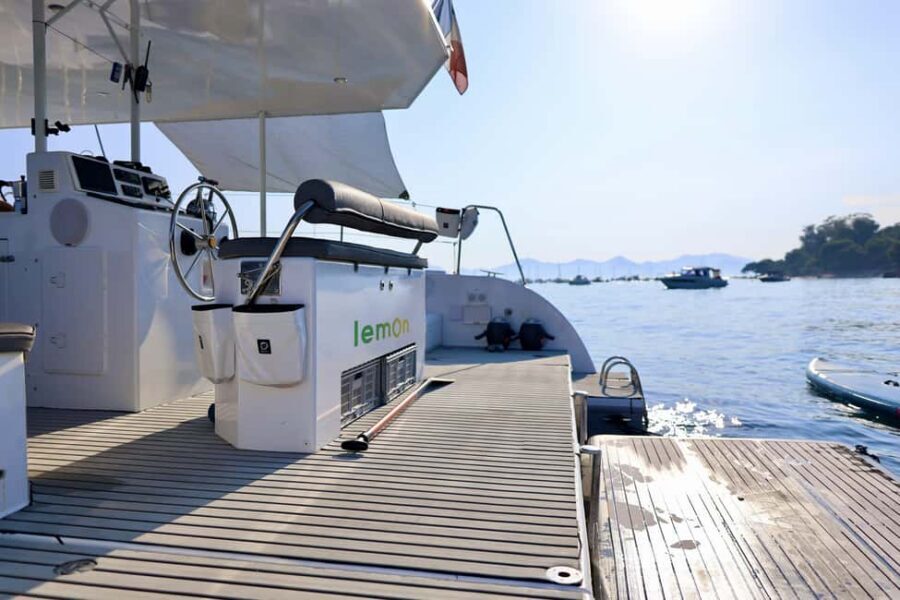
Also, helmet and e-bike use are included. So you’re not showing up and then realizing you still need to rent gear. And because it’s a small-group tour, the guide can actually manage pace and regrouping without turning every stop into a 20-minute waiting game.
What you’re not paying for: food and drink. That’s fine, but it does mean you should plan your own water and snacks if you know you’ll want them.
Getting started at 3 Av. d’Odessa: the ride starts before the park
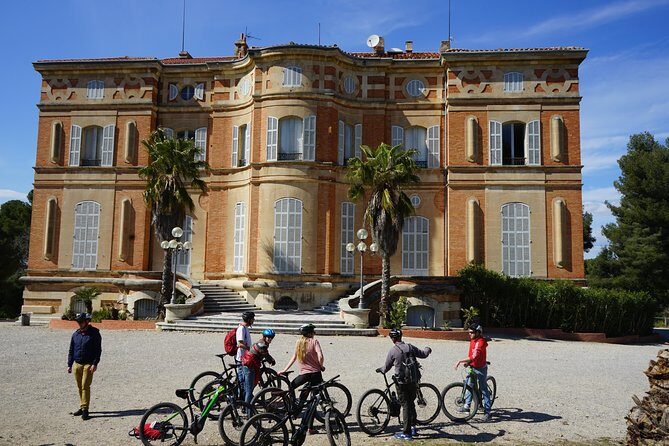
The meeting point is 3 Av. d’Odessa, 13008 Marseille. It’s near public transportation, and the tour ends back there, so you don’t need to invent a new plan after the ride.
One reason the start matters: you’ll spend the first chunk getting oriented, not just handed a bike. Reviews often mention guides going over how the e-bikes work fast, including how the pedal and handle feel like a regular bike and how the assist helps when the terrain tilts upward. If you’ve never e-biked before, that early guidance is a big deal.
Practical move: wear closed-toe shoes. The route can include gravel and narrow passages, so flip-flops and loose sandals are a real slip risk. Loose, comfortable clothes also help because you’ll be shifting your weight on uneven spots.
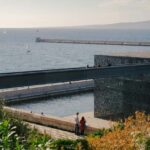
If you’re arriving from the coast, one convenient approach is using the ferry from Vieux Port to La Pointe Rouge, then walking from there to the bike shop area. Even if you don’t take the ferry, Pointe Rouge is a zone that makes sense for planning your morning around the water.
Parc National des Calanques: the “big picture” hour that sets the tone
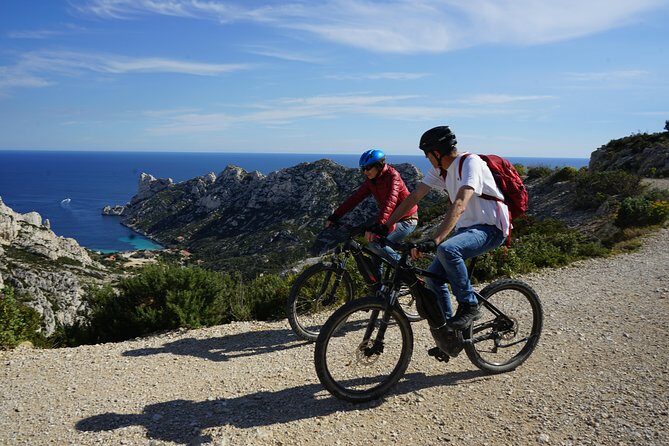
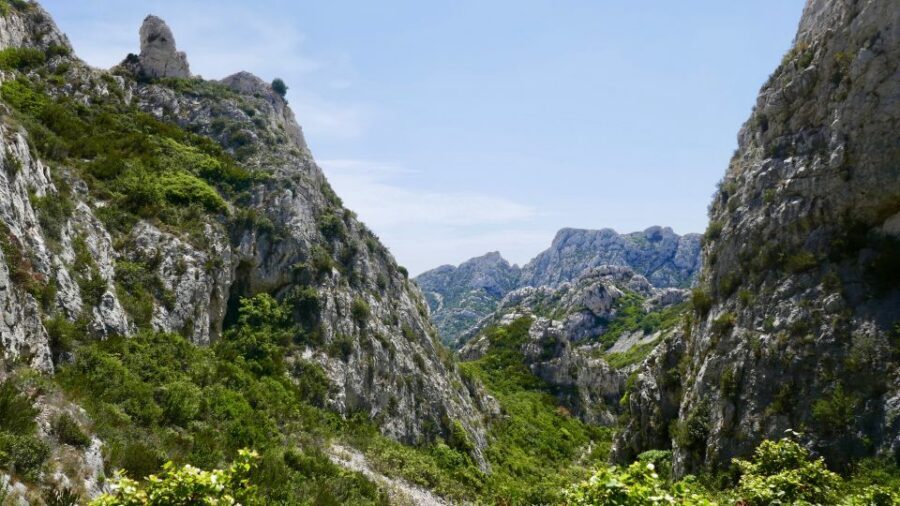
Your first major segment is the Parc National des Calanques, spanning coastline between Marseille and Cassis. This park is unusual because it’s not just sea or just land. You’re riding through an area where the urban meets the wild, which makes the route feel like it’s unfolding in layers.
This stop is about 2 hours, which gives you time to get into rhythm: ride, pause for photos, and listen to short local context from your guide. You’ll also see how the area changes as you move—how the cliffs and coves shape the views even when you’re still near Marseille.
This is also where the group dynamic shows up. When things go smoothly, everyone stays together, and you don’t feel like you’re waiting at every corner. When terrain or skill levels vary, the guide has to slow down and regroup for safety. The tour does tend to adapt based on group and weather conditions, so expect the route to make sense once you’re actually out there.
Sormiou: the climb-view moment, then the swim payoff
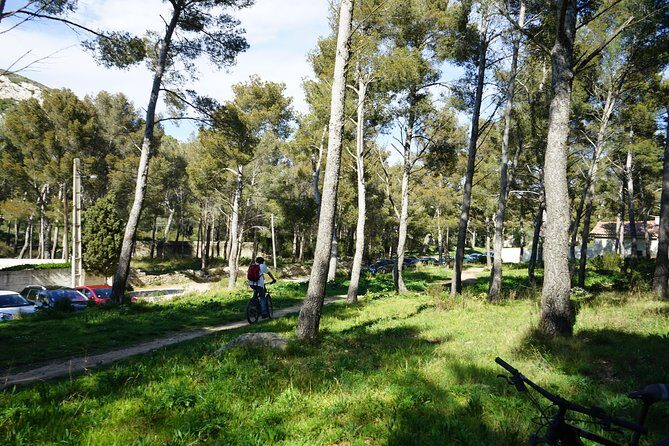
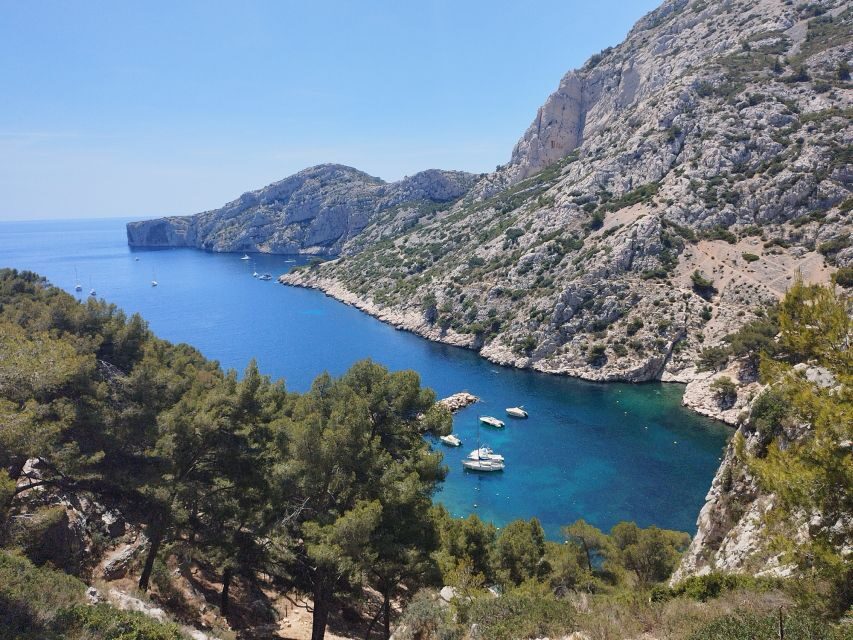
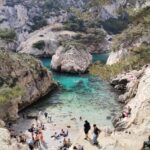
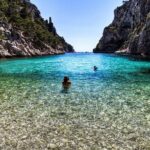
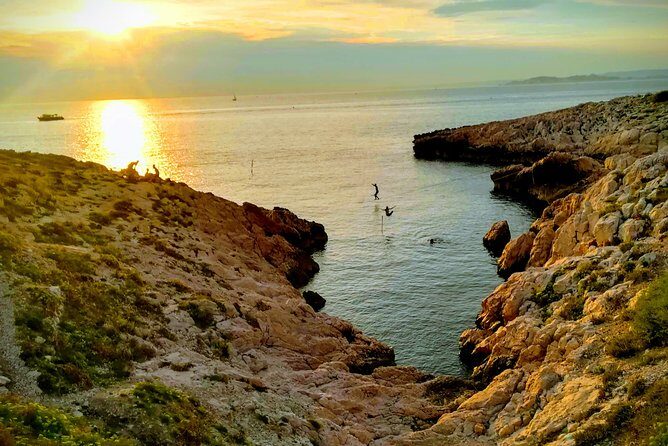
Calanque de Sormiou is the biggest calanque in the park, and it shows. You arrive from higher ground, and the first impressions are mostly about scale—steep limestone walls, a bright cut of sea, and that “how is there even a beach down there” feeling.
You’ll spend about 30 minutes here, and what you do next depends on season:
- Spring to autumn: you go down all the way to the sandy beach for a swim.
- Other times of year: you take a different route that’s still scenic, but swimming plans may shift.
When the swim happens, it’s one of the best “reset” moments of the ride. You’ve been riding on hills and mixed surfaces, then suddenly you’re floating in Mediterranean water and cooling down fast. Two different reviews mention short beach breaks around 30–45 minutes, so treat that as a good expectation when conditions allow.
Downside to know: the swim stop is weather- and condition-dependent. If the day is windy, cool, or the group pacing is different, the time for water may be shorter than you hoped. That’s not failure—just how a guided ride manages safety and timing.
Other cycling tours in Marseille
Morgiou: a working-village vibe tucked into limestone cliffs
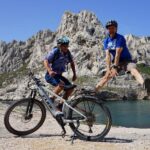
After Sormiou, you often shift into Calanque de Morgiou for another 30-minute block. The key detail: Morgiou is the only calanque among the park’s major set that’s described as being inhabited, and it has the feel of a small fishermen village squeezed among limestone walls.
This stop tends to feel quieter than Sormiou. The views are still dramatic, but you’re more likely to notice human scale—boats, cliffside structure, and the sense of a place where people actually live with the sea nearby.
Like Sormiou, whether you head down to specific paths can depend on:
- group ability level
- how busy the area is
- the weather
If you’re the type who likes variety—big scenic viewpoints, then the “real-life” corner of a cove—Morgiou delivers. It also gives your legs a brief pause between the more riding-focused segments.
Callelongue and Cap Croisette: the ride feels like an outdoor road movie
Next comes Calanque de Callelongue, often described with an end-of-the-world vibe. The road here winds along the seaside for kilometers, and the feeling is part coastal drive, part park path.
This stop is about 15 minutes plus small breaks for views. The timing is short, so you’ll want to be ready: phone/camera in hand, eyes up, and don’t waste time debating every photo angle. This is the type of stop that works best when you keep moving and trust the guide to pick meaningful moments.
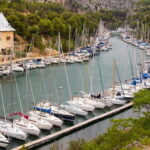
Then there’s Cap Croisette, where the tour includes a break to discover a hidden port area connected with a diving center. It’s a nice change from the swim-focused calanques and gives you a look at how the sea-side economy and activities shape the place.
If you’re hoping for long “hang out” time, this segment won’t be it. But it adds a different texture: not just cliffs and beaches, but the ports and people that keep showing up along the coast.
EVTT Provence near Pointe Rouge: services, snacks, and a reset by the sea
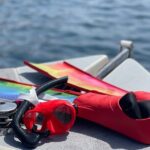
The final stop is EVTT Provence, the tour shop area near Pointe Rouge beach. This is about 15 minutes, but it’s more than a quick drop-off. The shop area offers a lot of practical options, including places for food/snacks and water-related rentals (think paddle, kayak, boat, and windsurf options).
One smart detail: in spring to autumn, you can also reach the area by public boat from the city center. That’s useful if you’re mixing activities and want to anchor your day around the water rather than just transit.
Why this stop matters: after Calanques riding, you’re likely to want water, shade, or an easy snack before you head back. Even if you didn’t plan to buy anything, it gives you a chance to tidy up—helmet off, stretch a bit, and refocus before the ride back through the city.
Pace, terrain, and who should (and shouldn’t) book
This tour asks for moderate physical fitness. The e-bike helps, but it doesn’t remove effort entirely. You’ll still be pedaling for hours, and the assist does best when you ride actively rather than just coasting.
Terrain can be mixed:
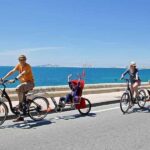
- paved stretches and cycle paths through Marseille
- gravel and uneven sections at viewpoints
- narrow passages where you have to be alert
A couple of reviews mention gravel/off-road sections feeling more challenging than expected, including cases where someone had a fall but was okay. Translation for you: don’t assume this is all smooth bike-lane cruising.
Who it suits well:
- You can ride a bike confidently.
- You’re okay sharing roads near cars at times (even if most of it is cycle paths).
- You want a guided route that mixes city and park without planning the logistics yourself.
Who should think twice:
- If you’ve never ridden a bike before, this won’t be your best first cycling experience. E-bike help is real, but you still need basic control and balance on uneven terrain.
- If you’re extremely cautious about gravel, you can still do it, but you’ll want to set expectations about navigating roots, rocks, or rougher ground.
A small but real tip: bring extra water if you run hot or if you know you’ll want it during breaks. Some reviews point out the hills and wind can make hydration important, especially on longer bike segments.
Guides, group size, and the safety feel you want on this route
This is the “small group” promise in action. The tour runs with a maximum of 9 people per booking, and the experience can have up to 12 travelers. That keeps it manageable, but it still means your guide has to work with different rider comfort levels.
That’s why guide skill shows up in the reviews. Names like Martin and Vincent pop up repeatedly for making novices feel comfortable and keeping everyone safe. Other guides like Iris are described as focusing on information and safety, reading from notes at times but also adjusting when people communicate how they feel.
You should also know that guides adapt routes based on conditions. Reviews include examples where certain calanques were not accessible due to fires and the tour was changed to ride safely and still see striking views. So if you’re someone who wants a strict checklist, set your mindset to flexible sightseeing.
One operational detail: cycling groups move like a small school of fish. If someone misses a turn, it can cause a brief reshuffle. The guide is there to keep everyone together, and the tour emphasizes safety checks.
If you want a very quiet, fully personalized experience, a private tour is mentioned as an option worth considering. For this group format, though, the reviews overall point to good care and pacing.
Should you book this Calanques e-bike ride
Book it if you want the Calanques without turning your day into a workout marathon. The mix of views + riding + swim time (seasonal) is a strong combo, and the included e-bike makes the hills feel manageable for a lot more people than a standard bike tour would.
Skip it if you’re brand-new to riding or you’re uncomfortable on gravel and uneven surfaces. This isn’t a flat promenade. It’s a real coastal route with some rough edges, even with the e-assist.
If you’re traveling solo, this format also makes sense. You get a small social group and a clear plan, without the stress of figuring out roads and parking.
FAQ
How long is the Ultimate Calanques Panoramic e-bike ride?
The tour runs about 3 to 4 hours.
What is included in the price?
The tour includes a guide, use of an electric bicycle, a small-group bike tour, and a helmet. Food and drink are not included.
Where does the tour start and end?
It starts at 3 Av. d’Odessa, 13008 Marseille, France and ends back at the same meeting point.
Will I be able to swim in the Calanques?
Swimming at the Sormiou sandy beach is planned from spring to autumn. In the rest of the year, the route changes and a swim may not happen the same way.
What kind of fitness level do I need?
The tour is for people with moderate physical fitness. You should be able to ride a bike, since the e-bike helps with hills and headwind but still requires active pedaling.
What weather happens if conditions are poor?
This experience requires good weather. If it is canceled due to poor weather, you’ll be offered an alternative date or a full refund.
Is there a cancellation policy?
You can cancel for a full refund up to 24 hours before the experience’s start time. After that, the amount paid is not refunded.