REVIEW · MARSEILLE
Marseille: Essential Guided Walking Tour of the City
Book on GetYourGuide →Operated by Marseille Tour · Bookable on GetYourGuide
Marseille rewards you when you walk it slowly. This guided route threads together 2,600 years of Greek and Roman echoes, WWII memories, and big harbor views in just 150 minutes.
I like two things most. First, Charles, the local bilingual guide, keeps the story moving with humor and clear explanations (plus diagrams/photos that make old places easier to picture). Second, the walk has real variety: hillside Le Panier, the working-harbor mood of Vieux Port, and the wide terraces around Le Pharo.
The main drawback is simple: it’s about 5 km on foot and includes uphill sections, so you’ll want comfortable shoes and a water bottle. It’s also not suitable for wheelchair users.
In This Review
- Key things you’ll notice on this Marseille walk
- Meeting at La Major Cathedral: the right starting point
- La Major Cathedral to the ancient roots you can actually picture
- Le Panier’s hillside mood: murals, Vieille Charité, and Windmill Hill
- Church of Accoules and the street grid that shapes everyday Marseille
- Vieux Port: fort views, working boats, and WWII dock stories
- Saint Victor’s Abbey: Roman architecture plus a well-timed break
- Cannebière and the parade of shops, cafés, and galleries
- Le Pharo and Palais du Pharo: terraces, views, and imperial backstory
- Where you finish: choose your next stop at Old Port or Palais du Pharo
- Price and value: why $41 can work for a first visit
- What I recommend you bring (so the walk feels easy)
- Who this tour fits best
- Should you book this Marseille essential walking tour with Charles?
- FAQ
- Where do I meet the guide?
- How long is the walking tour?
- How far do we walk?
- How big is the group?
- What languages is the tour offered in?
- Are food and drinks included?
- Is this tour wheelchair accessible?
- Where does the tour end?
Key things you’ll notice on this Marseille walk

- Charles (French and English) leads with humor, questions, and visual aids like diagrams/photos
- Le Panier’s hillside feel with street art murals, Vieille Charité, and Windmill Hill calm
- Vieux Port dockside history linking the port’s ancient role to WWII events
- Architectural highlights from La Major Cathedral to Saint Victor’s Abbey and Palais du Pharo
- Le Pharo viewpoints over the Palais du Pharo terraces and the harbor area
- Two drop-off options at Old Port of Marseille or Palais du Pharo
Meeting at La Major Cathedral: the right starting point
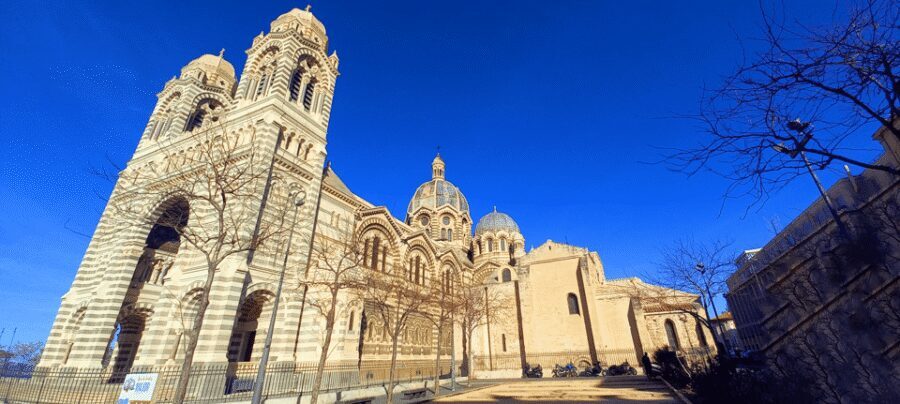
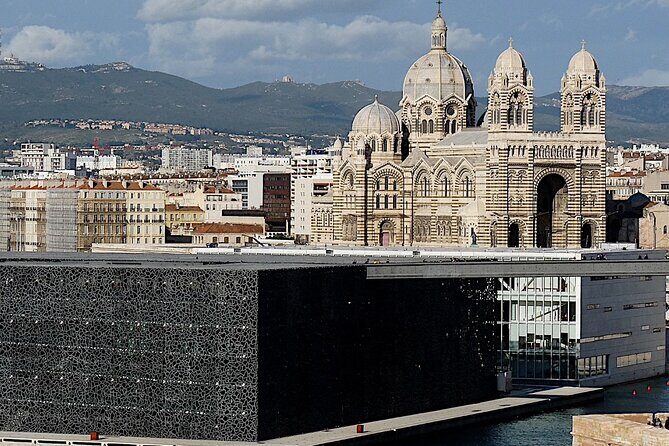
You begin at Cathédrale Basilique Sainte-Marie-Majeure, dit La Major. The cathedral’s heavy Neo-Byzantine and Romanesque presence sets the tone fast, so the rest of the walk doesn’t feel random. Your guide, Charles, wears a white cap, so it’s easy to spot him before you step into the streets.
This opening works because it gives you a “why” before you get lost in the “what.” La Major isn’t just pretty stone. It’s an anchor that helps you understand Marseille as a city that keeps layers—new faiths on old foundations.
Other walking tours we've reviewed in Marseille

La Major Cathedral to the ancient roots you can actually picture
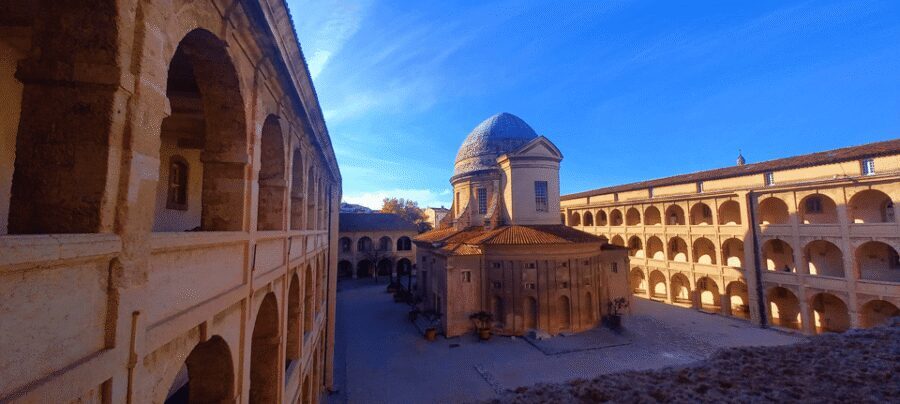
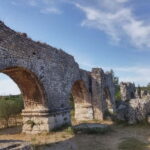
From La Major, you build momentum with short guided stops and walking segments. The focus stays on Marseille’s Greek and Roman roots, and you’ll hear enough fascinating context to connect what you see with what came before.
One reason this part of the tour feels satisfying: the guide doesn’t treat history like a lecture. With Charles, you get stories and explanations that make it easier to read the city’s shape as you move—where streets curve, how neighborhoods sit on slopes, and why certain sites matter.
Le Panier’s hillside mood: murals, Vieille Charité, and Windmill Hill
Le Panier is the star when you want Marseille with character. It’s one of the city’s oldest areas, perched on a hillside above the Mediterranean and the Vieux Port. You’ll spend about 30 minutes here, wandering through lanes where street art murals sit side-by-side with quieter corners.
I love that Le Panier isn’t just “pretty streets.” You get specific stops that change how you see the neighborhood:
- Vieille Charité, the historic hospital complex, gives the area a grounded, human-scale story.
- Windmill Hill offers a calm, breezy pause—exactly the kind of break your feet appreciate.
The one thing to plan for here is the walking feel. Even if the total route is around 5 km, Le Panier sits on slopes. You don’t need to be a trail runner, but you do need sensible pacing.
Church of Accoules and the street grid that shapes everyday Marseille
After Le Panier, you pass by the Church of Accoules with a short guided visit. It’s not the kind of stop you rush through, because it helps connect neighborhood life to Marseille’s long timeline of faith and community.
Then you move through major streets like Rue de la République and along Cours Honoré d’Estienne d’Orves. These sections matter because they show the contrast between postcard lanes and the city’s main arteries. You’ll notice how Marseille balances daily hustle with deep historical layers.
If you’re hoping for “only old ruins,” this route might surprise you—in a good way. It shows how Marseille is lived-in, not staged.
Vieux Port: fort views, working boats, and WWII dock stories
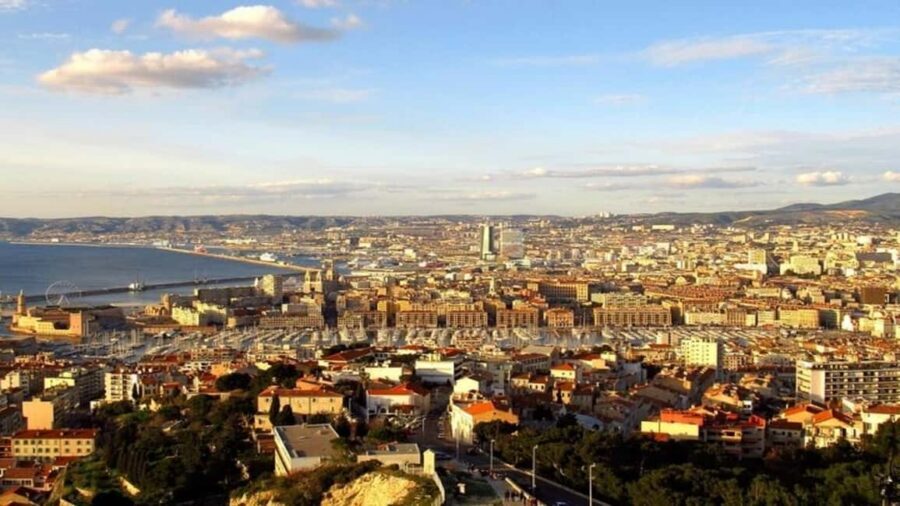
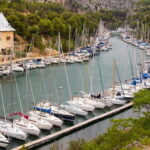
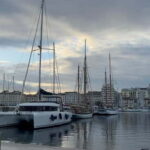
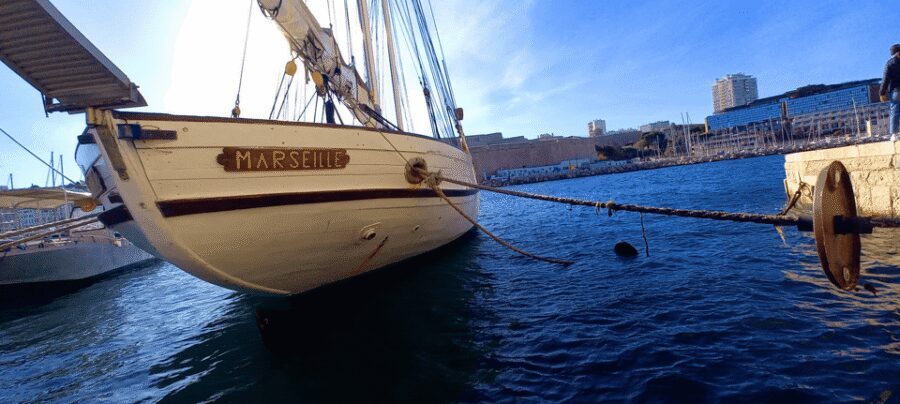
No Marseille walk feels complete without the Vieux Port. This is where you learn why the harbor has mattered since ancient times and why it still does today. You’ll see Forts Saint-Jean and Saint-Nicolas guarding the area, and you’ll spot picturesque boats and yachts bobbing on bright water.
Charles also brings in a heavier chapter: Marseille’s World War II story, explained from the docks outward. This is one of the most memorable segments because the port setting makes the history feel physical. You’re not just hearing names—you’re standing where maritime trade and conflict played out.
If you prefer your history with context, you’ll enjoy this portion most. Charles weaves the port’s role across eras, including its influence from the Roman Empire, then ties it back to why Marseille remains a maritime city.
Other walking tours we've reviewed in Marseille




Saint Victor’s Abbey: Roman architecture plus a well-timed break
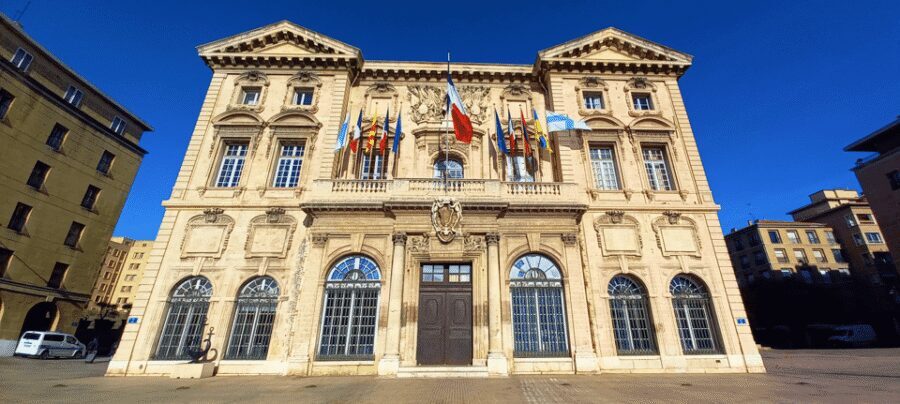
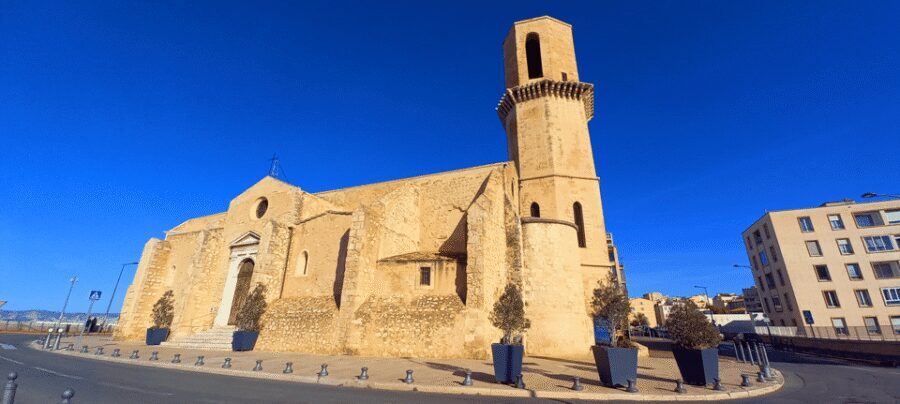
You’ll head to Saint Victor’s Abbey, with guided time and scenic views along the way. The abbey’s Roman architecture adds a strong “texture” to the tour—solid stone details that help you understand the city’s deeper timeline.
There’s also a longer 20-minute break during this stretch. That matters more than it sounds. After earlier climbs and turns, you get a moment to reset—look around, take photos, and catch your breath without feeling hurried.
If the day’s hot, this break is where you’ll be thankful for water and sunglasses. One of the best practical touches you can expect is that Charles tends to adapt pacing for comfort, including choosing shaded stops when needed.
Cannebière and the parade of shops, cafés, and galleries
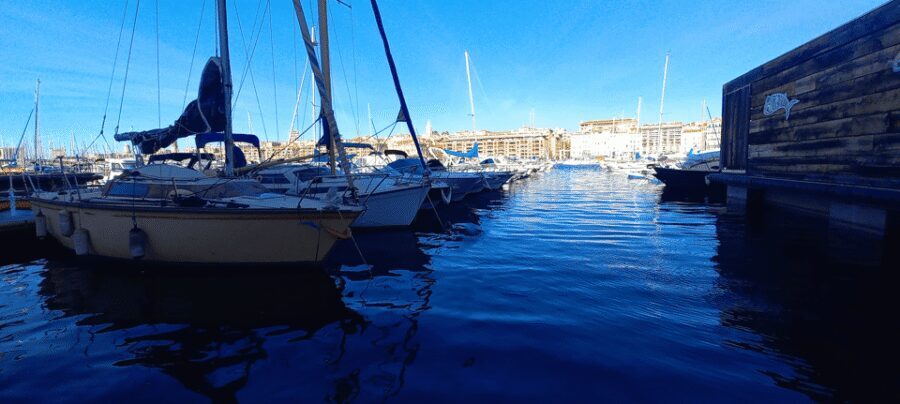
Next up: Cannebière street, Marseille’s lively main drag for browsing and people-watching. You’ll walk past galleries, workshops, boutiques, cafés, bistros, and restaurants—exactly the kind of street that helps you understand what’s “current” about the city.
This isn’t just a stroll. It’s a functional contrast to the slower, older lanes earlier in the tour. You go from hillside viewpoints and historic sites into a place that feels like the city’s pulse—where locals still move, shop, and pause.
It also helps if you’re short on time after the tour. When you later return on your own, you’ll know where you are and why that street matters.
Le Pharo and Palais du Pharo: terraces, views, and imperial backstory
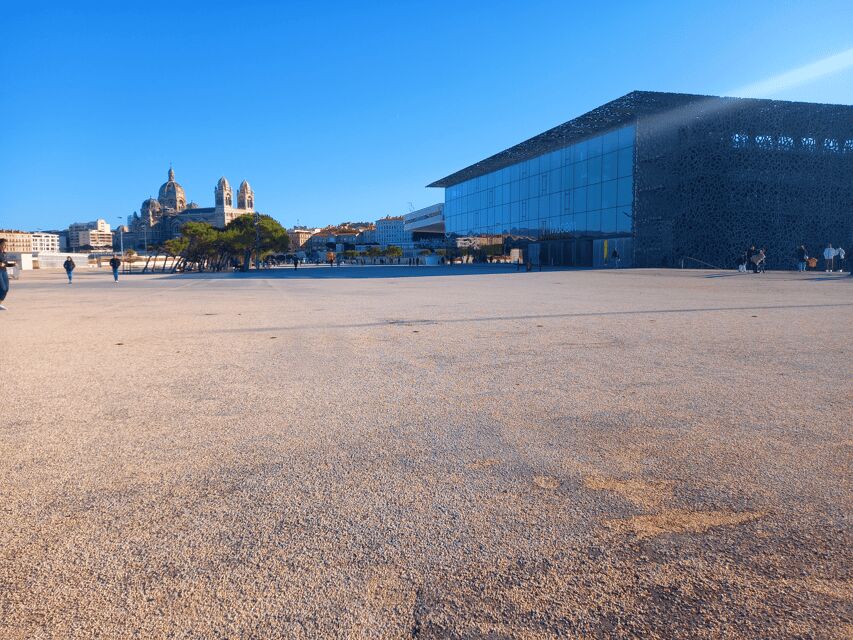
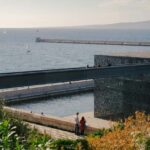
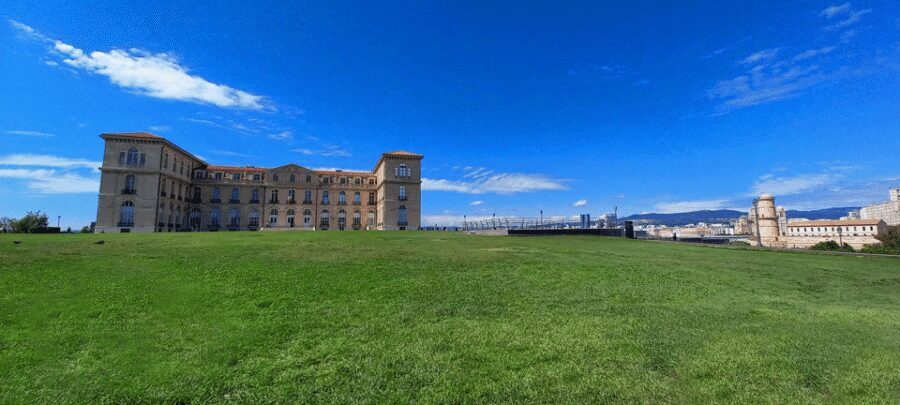
The finale leans scenic. You reach Le Pharo, where sweeping terraces and harbor-adjacent views give you a different perspective on Marseille. One highlight here is the Palais du Pharo, a grand palace built in the mid-19th century by Emperor Napoleon III for Empress Eugénie.
I like ending on Le Pharo because it turns all the earlier history into a panorama. The ancient roots, the port’s role, the wartime weight, and the neighborhood rhythms all collapse into one broad outlook over the Mediterranean side of the city.
You also get the Abbaye Saint-Victor architecture tied into the ending mood—so the story doesn’t just stop. It lands.
Where you finish: choose your next stop at Old Port or Palais du Pharo
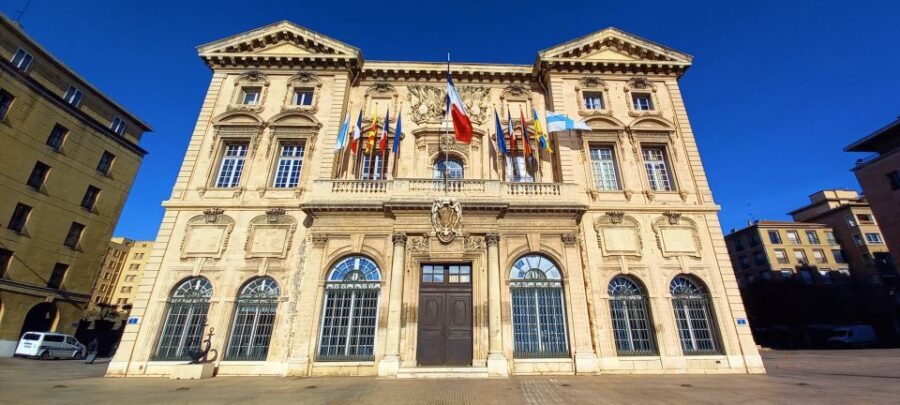
The tour has two drop-off locations: Old Port of Marseille and Palais du Pharo. That flexibility is handy. If you want to keep your evening simple, Old Port is an easy launchpad for food and a last look at the harbor.
If you’d rather stay close to the scenic side, Palais du Pharo can set you up for a calmer wrap-up and more photos before you head elsewhere.
Price and value: why $41 can work for a first visit
At $41 per person for about 150 minutes, this walking tour is priced for value in a city that can otherwise eat your time and budget with taxis and random wandering. The math is straightforward: you’re paying for a guided, structured route plus a local perspective that takes the guesswork out of where to go first.
The “value” here is mostly human. Charles speaks French and English, keeps the group small (up to 8 participants), and uses humor and visual aids so the information sticks. That’s the difference between seeing monuments and understanding what you’re looking at.
If you’re on a short visit, this is the kind of tour that helps you plan the rest of your days. You’ll leave with a mental map of neighborhoods and a clearer idea of what you want to repeat on your own.
What I recommend you bring (so the walk feels easy)
This is a walking route, around 5 km, so pack for comfort, not for luxury. You’ll want:
- Comfortable shoes for uneven old streets and slopes
- Water and something small to eat since food and drinks aren’t included
- Sunglasses and weather-appropriate clothing
- A plan for sun or wind, especially around open harbor viewpoints
If you tend to run cold or hot easily, dress in layers. The city shifts from shaded streets to open views quickly.
Who this tour fits best
This works well if you:
- Want a first-time introduction to Marseille without bouncing between far-apart areas
- Like history that connects to real places (cathedrals, abbeys, the port)
- Prefer a small group where you can ask questions and actually talk to the guide
It’s not a fit if you need wheelchair accessibility, since the route isn’t designed for that.
Should you book this Marseille essential walking tour with Charles?
If you want a short, high-impact Marseille overview, I think this is an excellent pick. The combination of Le Panier, the Vieux Port docks, Saint Victor’s Abbey, and Le Pharo viewpoints means you get both the city’s soul and its big-sky views.
Book it early in your trip if you can. The best part of this style of tour is what happens after: you walk the same streets again with better context, and you stop guessing. Also, at this price point, you’re not “paying to be entertained.” You’re buying time, direction, and a local story that helps you enjoy Marseille longer.
FAQ
Where do I meet the guide?
Meet at La Major Cathedral (Cathédrale Basilique Sainte-Marie-Majeure, dit La Major) in Marseille. The guide is wearing a white cap.
How long is the walking tour?
The tour lasts 150 minutes (about 2.5 hours).
How far do we walk?
The tour covers a 5 kilometer route.
How big is the group?
It’s a small group limited to 8 participants.
What languages is the tour offered in?
Charles leads in both French and English.
Are food and drinks included?
No. Food and drinks aren’t included, so bring water and plan for snacks if you need them.
Is this tour wheelchair accessible?
No, it’s not suitable for wheelchair users.
Where does the tour end?
You’ll have two drop-off options: Old Port of Marseille or Palais du Pharo.