REVIEW · MARSEILLE
Marseille: Guided Pétanque Game with Local Aperitif
Book on GetYourGuide →Operated by Planetazur · Bookable on GetYourGuide
Pétanque in Marseille feels like street theater. What makes this one click is how it starts at the Maison de la boule in the Panier District, so you get the game’s culture before you ever throw. I also like that the host, often referred to as Z, keeps it friendly and workable whether you’re new to pétanque or you just need a refresher.
The second reason I think you’ll enjoy it is the mix of hands-on play and a proper local pastis and rosé aperitif after about an hour of matches. You’ll move from the store into play near the esplanade of the Major, aiming for balls with friends, family, and a little friendly competition. One possible drawback: the history part is an overview, not a long lecture, so if you want deep pétanque theory, you might wish for more.
In This Review
- Key things to know before you go
- Maison de la boule in the Panier: where the game starts to make sense
- The practical lesson: how you learn pétanque without feeling put on the spot
- Near the esplanade of the Major: your match, your rules, your rhythm
- Stepping into a traditional club: why the visit feels more real
- The aperitif payoff: pastis and rosé after you play
- Price check: is $41 good value for 2 hours in Marseille?
- Language and group vibe: what it’s like if your French is limited
- Who should book (and who should skip)
- Tips to get more fun out of your two hours
- Should you book Marseille guided pétanque with local aperitif?
- FAQ
- Where does the experience start in Marseille?
- How long is the guided pétanque game?
- What does the price include?
- How much does it cost?
- What languages are available for the live guide?
- Is the activity suitable if I have never played pétanque before?
- Are children allowed?
- Is there a drink limit?
- What happens if the minimum number of participants isn’t reached?
Key things to know before you go
- Maison de la boule start: You’ll begin inside the Panier’s pétanque world, not on a random field.
- Z-style teaching: The vibe is patient, especially if your group has a mix of experience levels.
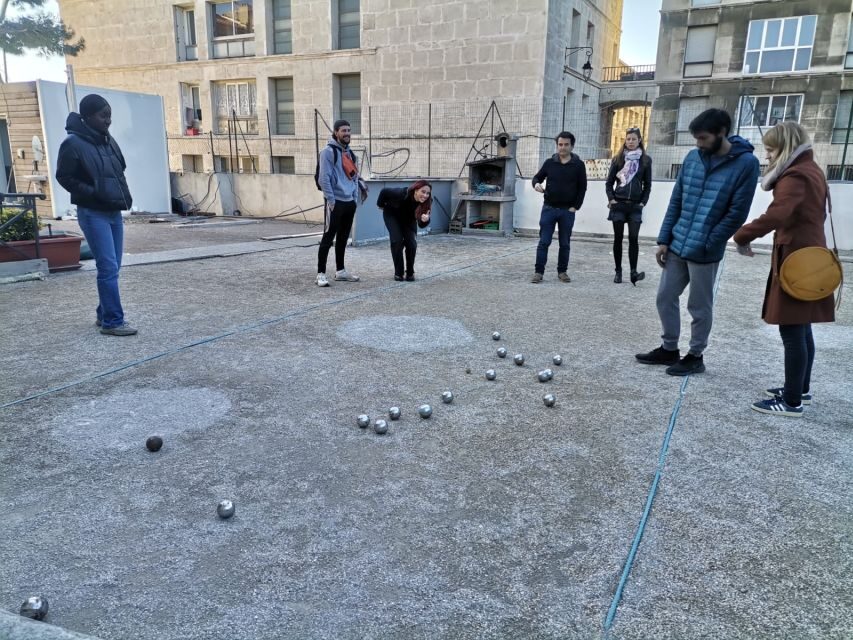
- Play near the esplanade of the Major: The court is close enough to feel like you’re part of neighborhood life.
- Pétanque club entry: You’re not just visiting a park—you’re stepping into a traditional setting.
- Pastis and rosé after matches: The aperitif comes after play, so it feels earned.
- Most drink costs are controlled: More than 3 drinks aren’t included, so plan accordingly.
Maison de la boule in the Panier: where the game starts to make sense
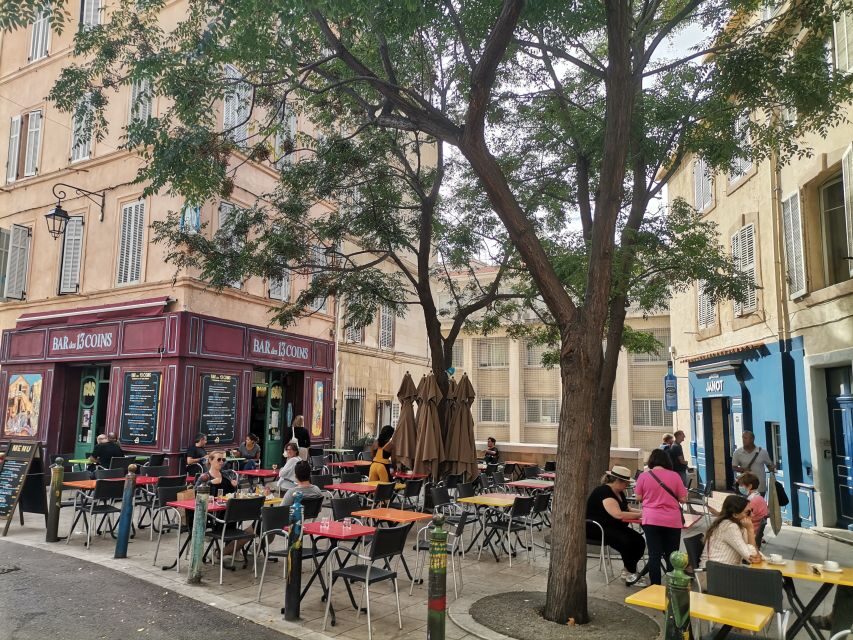
The tour’s smart move is starting at the Maison de la boule in the heart of the Panier. Before you even reach the playing area, you get the atmosphere: this isn’t a generic activity. It’s a Marseille institution, tied to the tools and rituals of jeu de boules.
You’ll also get the origin story in plain terms—enough to understand why this game became such a steady part of French life. That short history lesson matters more than you might think. When you know the basics of where pétanque comes from and how people historically gathered around it, the game stops being just throwing metal balls and becomes a social tradition.
I like that the guide doesn’t assume you already understand scoring, distance, or what makes a good throw. If you’ve never played, you’ll still leave knowing what you’re aiming for. If you’ve played before, you’ll pick up how to think about the pace and placement rather than just power.
Other guided tours in Marseille


The practical lesson: how you learn pétanque without feeling put on the spot
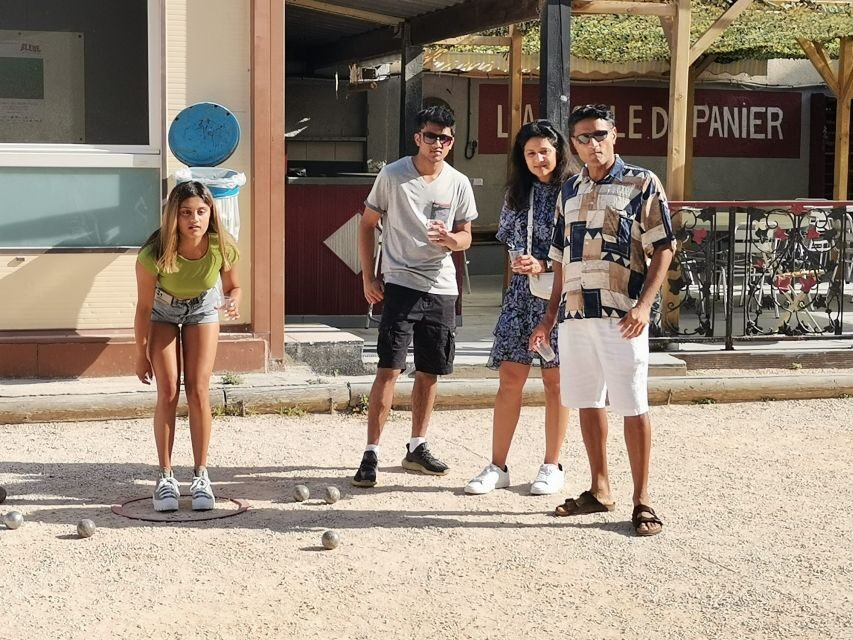
After the store visit, you head a short distance to the playing area near the esplanade of the Major. This is where the tour flips from talking to doing. And because the activity is designed for groups of at least four people, it’s built to keep everyone in the action instead of watching from the sidelines.
What you get first is an orientation: how the game works, how to score, and how to approach throws with a plan. Then the host helps you get onto the court and start playing quickly. The pace is important here. You’re only out for about two hours total, so you don’t want a long “waiting your turn” stretch.
I also like the way the activity handles groups. In real life, pétanque has a way of sorting people into two categories: those who throw confidently and those who need a moment. The guide’s job is to keep both types engaged. People on groups of different sizes have described the host as patient, and that matches the setup: you’re learning while still having fun.
If you’re worried you’ll feel awkward, here’s a helpful mindset: in pétanque, technique is nice, but participation is the whole point. You’re there for a friendly moment around an ancestral game. The scoring system gives structure, but the tone stays social.
Near the esplanade of the Major: your match, your rules, your rhythm
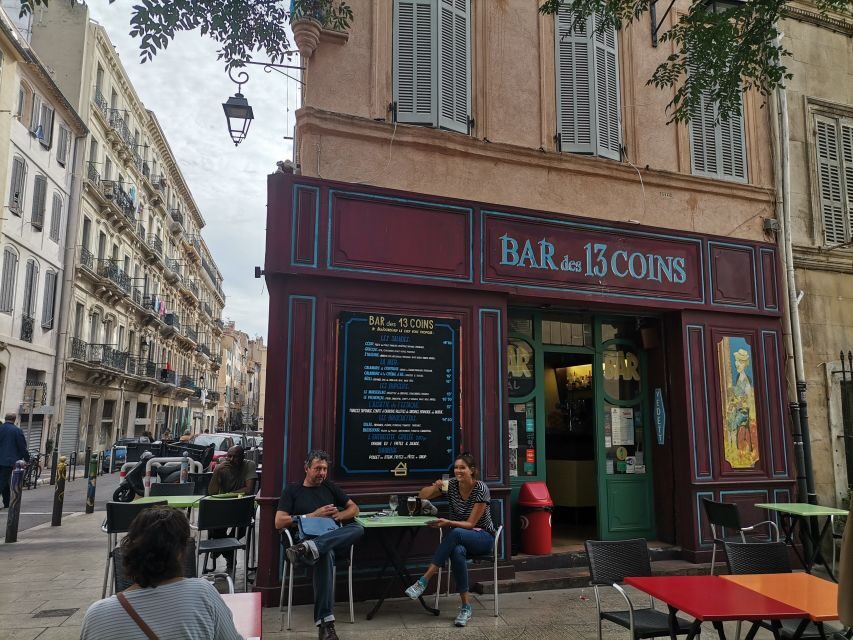
Once you’re at the playing area, the tour becomes a series of short rounds. That’s intentional. A pétanque game is built for repetition—throw, adjust, score, reset. In an organized group setting, that means you get multiple tries rather than one long competition.
After roughly an hour of play, you’re ready for the next part: the aperitif. That timing is one of the best aspects of the tour. You don’t drift into “just standing and drinking.” You play first, then relax. It feels like a local cadence.
Also, the setting near the esplanade of the Major is a key part of the value. You’re not stuck inside a closed venue. You’re in Marseille, in an area where the game is part of the everyday street scene. Even if you’re not a photography person, you’ll feel the city vibe through the activity itself.
Stepping into a traditional club: why the visit feels more real
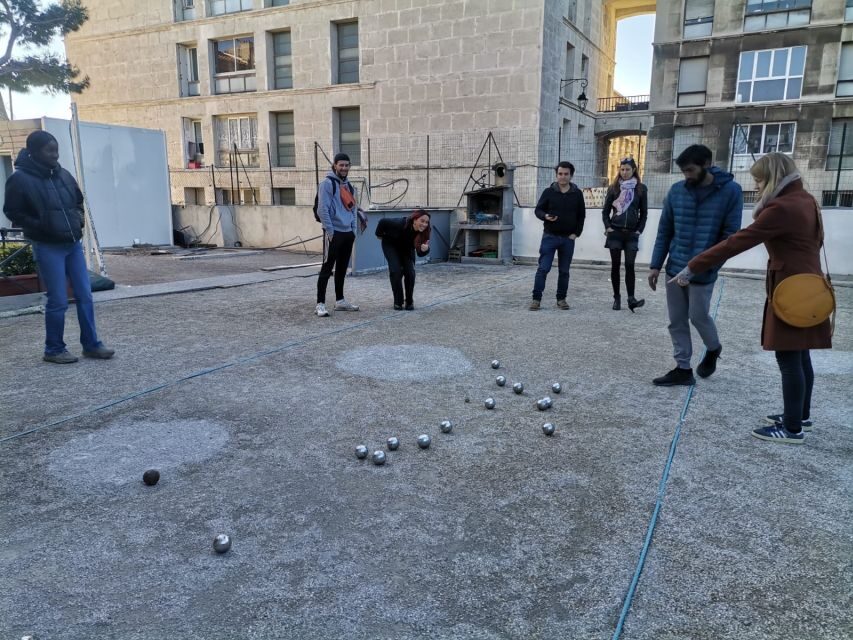
One inclusion that upgrades the whole experience is entry to a traditional pétanque club. That turns your outing from a one-off class into a small cultural exchange. You get to see how the sport lives in a local context—less like a show, more like a community practice.
Even if you’re not staying long enough to understand everything about club life, the difference is obvious. You’re not just “learning a sport.” You’re joining a community moment where people take the game seriously enough to keep the traditions, but casually enough to welcome newcomers.
This is also why the guide matters. A great host helps you understand not only the rules, but why people are proud of the ritual. That’s the part that sticks after the balls go back in the bag.
The aperitif payoff: pastis and rosé after you play
The tour includes a local aperitif: pastis and rosé. And the order matters. You play first, then enjoy the drinks as a reward.
Pastis is one of those Marseille signatures that can either feel intimidating or totally approachable. On this kind of tour, it’s easier because you’re sharing it with a group and using it as a social bridge between rounds. Rosé helps too—especially if you prefer something a bit lighter.
One practical note: the tour includes pastis and rosé, but anything beyond 3 drinks is not included. That’s good to know so you don’t get surprised later. If you’re the type who turns an aperitif into a full-on drinking session, you may want to budget extra or keep it to the included amount.
The overall tone is relaxed and friendly. The goal isn’t turning you into a pétanque champion. It’s leaving with a Marseille story you can actually repeat—where you laughed, played, and toasted.





Price check: is $41 good value for 2 hours in Marseille?
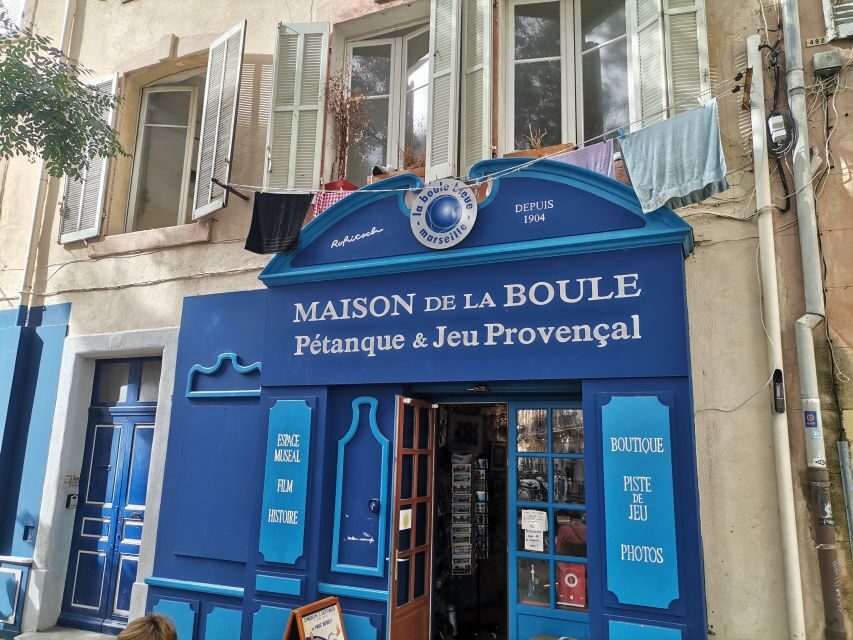
At $41 per person for about 2 hours, you’re paying for three things: instruction (from a live guide), equipment (pétanque balls), and food-and-drink time (pastis and rosé). Add in the club entry, and it stops being just a bargain “thing to do” and becomes a structured cultural outing.
Here’s how to think about value:
- If you were to do this on your own, you’d still need the right balls, a place to play, and someone to teach you quickly so you can start scoring right away.
- The guide removes friction. Even an hour of instruction can turn a confusing sport into something you can enjoy.
- The aperitif is included, which is a real cost offset in Marseille. You’re not paying separately for drinks as the main event.
So, yes, it’s not a free street game. But it’s also not an expensive, high-friction tour. For most people—especially groups or couples who want something more social than sightseeing—it’s solid value.
Language and group vibe: what it’s like if your French is limited
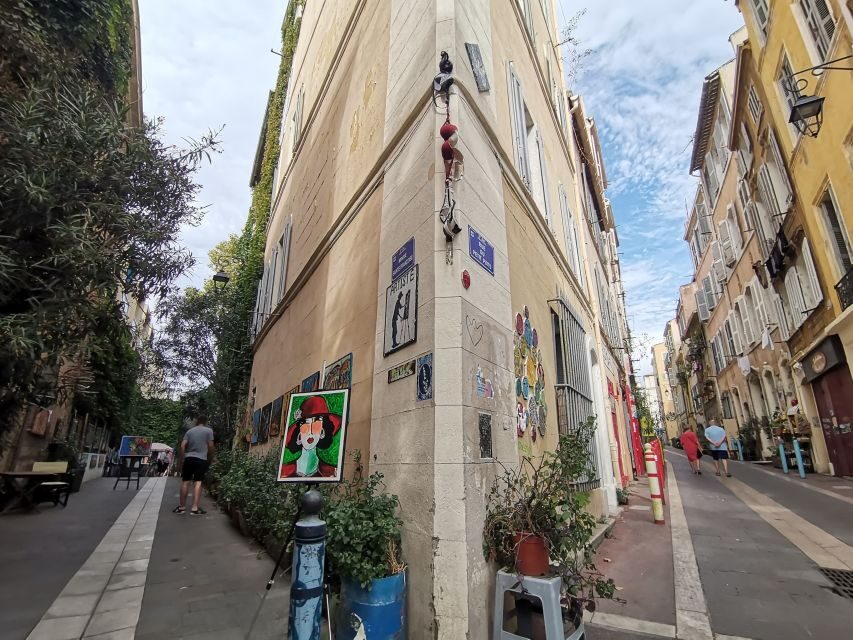
The guide offers English, French, and Spanish. That matters because pétanque is easy to learn, but you still need the basics explained clearly. With multilingual guidance, you’ll actually understand what you’re doing rather than guessing.
This kind of activity also works well for mixed groups. One review mentioned a group of nine girls and praised the guide’s patience—exactly what you want when people start at different levels. Another praised the host’s ability to create a good experience for a group of eleven. That tells me the format supports small-to-medium groups and keeps the energy up.
If you’re traveling as a family, this can be a win for older kids and teens. But keep reading: there’s an age limit.
Who should book (and who should skip)
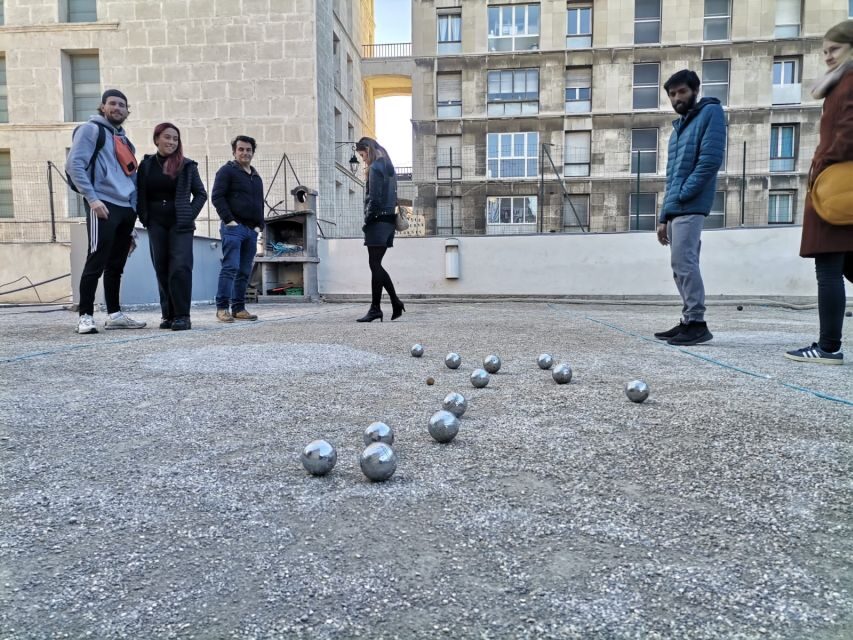
This experience is designed for people who want a fun, social activity with local flavor. It’s not a formal sports clinic. If your idea of a vacation day is “do something real with locals,” you’ll likely enjoy it.
Best fits:
- Adult groups and friend groups who like friendly competition
- People who want a cultural activity that’s active, not passive
- Travelers who like Marseille’s neighborhood feel (Panier especially)
Not a match:
- Children under 12, since the activity isn’t suitable for them
- People who want a long, detailed lecture on pétanque history (the focus is play and convivial time)
Also, there’s a minimum of four participants. If that minimum isn’t reached, the activity would be canceled with a refund. That’s normal for small tours, but it does affect planning if you’re working with tight schedules.
Tips to get more fun out of your two hours
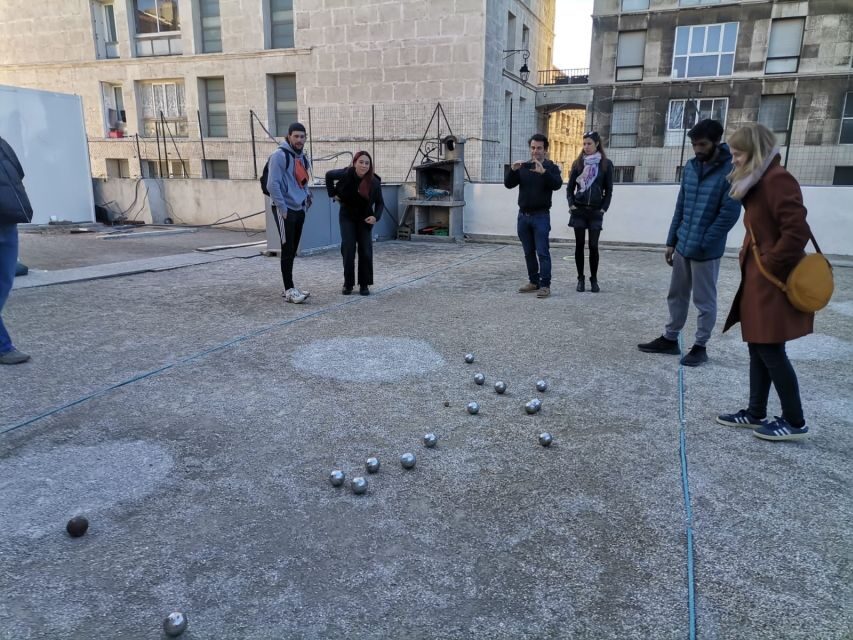
You don’t need special prep for pétanque, but you can make the experience smoother:
- Wear comfortable shoes with grip. You’ll be moving and throwing, and a stable stance helps.
- Keep your expectations simple. You’re learning a game and having fun, not training for competition.
- Listen for the scoring basics. Once you understand what you’re trying to beat, every throw gets more satisfying.
- Pace your energy before the aperitif. The drinks are part of the flow, but you’ll enjoy the aperitif more if you don’t overdo it while you’re still playing.
If you’re traveling with friends who are worried about losing, reassure them with this: pétanque is built for learning in public. The whole point is a shared moment around an ancestral game.
Should you book Marseille guided pétanque with local aperitif?
I’d book it if you want a Marseille experience that’s social, active, and genuinely local without needing high fitness or perfect French. Starting at the Maison de la boule, playing near the esplanade of the Major, and then ending with pastis and rosé gives you a complete arc in just two hours.
I’d skip it if you want a deep dive into the game’s history, or if you’re traveling with kids under 12. Also, if you hate group activities where everyone participates, this might feel too hands-on.
For most people—especially groups—this is a memorable use of time in Marseille.
FAQ
Where does the experience start in Marseille?
It starts with a visit to the Maison de la boule, in the heart of the Panier District, before you move to the nearby playing area.
How long is the guided pétanque game?
The experience lasts 2 hours.
What does the price include?
It includes a live guide, pétanque balls, pastis and rosé, and entry to a traditional pétanque club.
How much does it cost?
The price is $41 per person.
What languages are available for the live guide?
The guide is available in English, French, and Spanish.
Is the activity suitable if I have never played pétanque before?
Yes. The main focus is a friendly moment around an ancestral game, and the guide explains what you need.
Are children allowed?
No, it is not suitable for children under 12.
Is there a drink limit?
Yes. More than 3 drinks are not included.
What happens if the minimum number of participants isn’t reached?
The activity will be canceled if the minimum of 4 participants isn’t reached, and you’ll receive a refund.