REVIEW · MARSEILLE
Marseille Walking food and culture tour 3 hour Private tour
Book on Viator →Operated by provence amazing tours · Bookable on Viator
Marseille is best eaten slowly—and this tour helps you do that. You’ll follow the port-city vibe from the Vieux Port area into Le Panier, stopping for pastis and local bites along the way. I like that it feels like a real neighborhood walk, not a checklist, with snacks that actually make sense for Marseille.
Two other things I’m big on here: you get a guide’s perspective on daily food culture, and the route includes tastings that many visitors would skip on their own. The small group size (max 15) helps you ask questions, and guides like Laurant and Christine have been praised for making the neighborhood feel human and understandable.
One consideration before you book: this is still a walking tour, and the “aperitif” element centers on pastis, so if you don’t do alcohol, tell your guide early. Also, it requires a minimum number of travelers, so last-minute changes can happen if that minimum isn’t met.
In This Review
- Key things to know before you go
- Why this Marseille food walk works (and feels local fast)
- Start at Vieux Port and Provence’s port-city appetite
- Stop 1: Provence Amazing Tours and the pastis ritual
- Le Panier’s old streets: where the flavor gets personal
- Artisan workshops and why this tour isn’t just about eating
- The walking reality: pace, timing, and what to expect
- Dress code and smart packing for a food tour day
- Price and value: what you’re paying for at $144.18
- The guide factor: what you can learn from named experiences
- Who should book this tour (and who should skip)
- Should you book? My honest call
- FAQ
- How long is the Marseille walking food and culture tour?
- What is the price per person?
- Where does the tour start and end?
- What time does the tour begin?
- Is the tour offered in English?
- How big is the group?
- What food and drink will I experience?
- What should I wear?
- Can I get a refund if my plans change?
Key things to know before you go
- Pastis is part of the story: you’ll hit the mandatory aperitif tradition early.
- Le Panier is the main character: old streets, local flavors, and a classic Marseille feel.
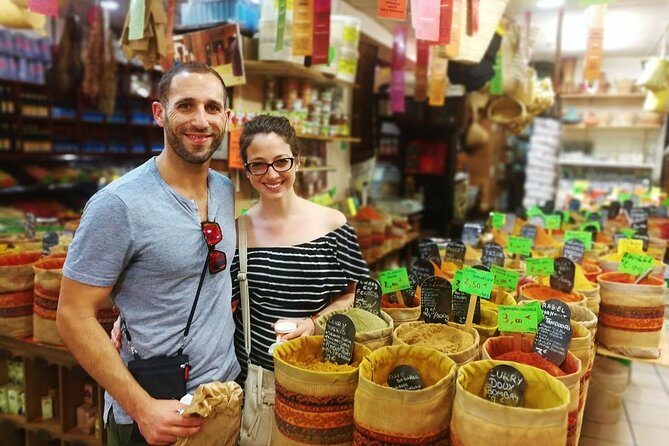
- Artisan stops and sampling matter: you’re not just eating; you’re learning how food is made and chosen.
- A small group makes it feel personal: you’re less likely to get lost in the crowd.
- It ends with a sit-down vibe: a small meal with wine at the guide’s house has been part of the experience for some guests.
- Walking is real: wear smart casual shoes you don’t mind using for several hours.
Why this Marseille food walk works (and feels local fast)
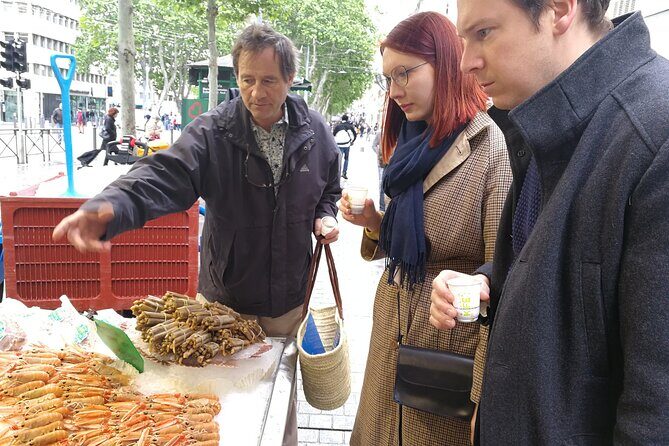
This tour is built around how Marseille lives: with food, drink, and neighborhoods that don’t try to perform for tourists. In about three hours, you get a compact version of the city’s personality—salt air, market energy, and the kind of eating that happens because it’s Tuesday, not because it’s on a brochure.
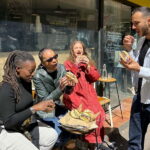
What you’ll like most is the pacing. It’s not “run from stop to stop.” It’s more like: walk a bit, snack, talk, walk more. Even the way tastings are handled can feel like a rolling picnic, with the guide carrying bites so you can keep moving while still tasting what matters.
The small group size is a quiet advantage. Marseille is big on personality, and a good guide uses that. You’ll have room to ask questions about what you’re tasting—why it’s popular, how locals use it, and what to look for when you’re back on your own.
Other food & drink experiences in Marseille
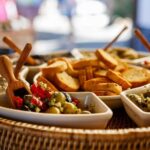


Start at Vieux Port and Provence’s port-city appetite
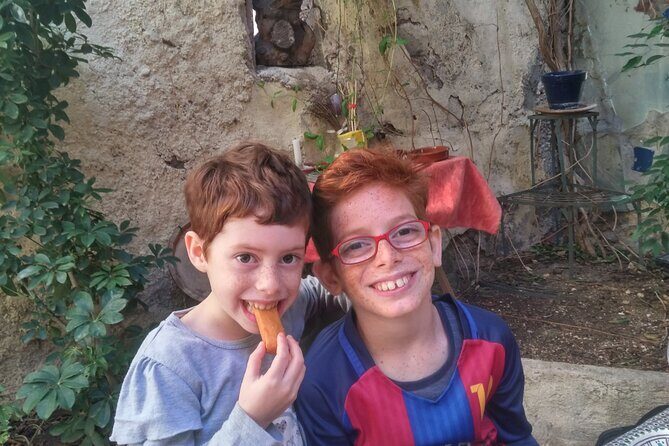
Your tour begins in the Vieux Port area (near Métro Vieux Port). That’s smart. You start in the part of Marseille that explains so much: the geography, the trade history, and the “come hungry” attitude.
From there, you head to the first tasting stop at Provence Amazing Tours. This is where the tour leans into a signature Marseille moment: the aperitif tradition and pastis. Expect a taste that sets the tone. Pastis isn’t just a drink here—it’s a social signal, the kind of thing that tells you Marseille is a city of gatherings.
If you’re the type who likes to understand food and drink by context (not just flavor), this opening works well. You’re not just sampling; you’re learning the rhythm of the day.
Possible drawback: if you’re sensitive to strong anise-flavored spirits, pastis may be intense. You can still enjoy the rest, but I’d treat this as a “sip and decide” moment, not a gulp-and-go situation. If you don’t drink, let the guide know right away so they can steer you toward non-alcohol options during tastings.
Stop 1: Provence Amazing Tours and the pastis ritual
This first stop is about grounding Marseille in a local habit. Pastis shows up because it belongs to everyday culture, not because it’s trendy. The tour frames it as the mandatory aperitif, so it’s usually not something you skip unless you tell the guide you’d rather opt out.
Why that matters for value: once you understand the aperitif angle, the rest of the tasting feels connected. You start noticing how snacks and conversations pair up in Marseille—small tastes that keep the energy going rather than a single big meal that ends the story.
You’ll also get a sense of what the guide considers a must-try. That guidance is useful because it teaches you how to choose on your own later. When you’re wandering after the tour, you’ll have a mental map of what “makes sense” to buy and eat.
Le Panier’s old streets: where the flavor gets personal
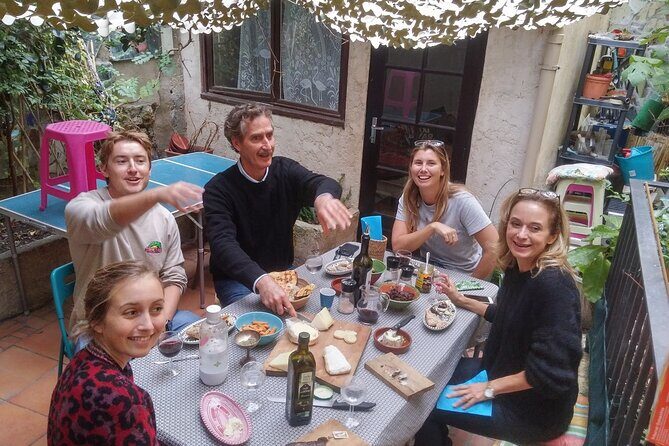
Next comes Le Panier, Marseille’s oldest neighborhood. Walking here is part of the point. The streets wind, the views pop in and out, and you feel the city’s age without it turning into museum mode.
As you move through Le Panier, you’ll taste a range of Marseille specialties. The tour’s described as bringing homemade goodies during stops, which is exactly the kind of detail that helps you separate a real food experience from a generic tasting loop.
Le Panier also gives you the “human scale” of Marseille. Instead of only seeing big sights, you’re in the part of the city where people live with their routines. That makes the food taste more meaningful, because it’s tied to places people actually use.
Small caution: the walking here can be uneven. Smart casual is the dress code, but your shoes matter more than your outfit. Bring footwear that handles cobblestones and small inclines without turning your feet into a bargaining chip.
Artisan workshops and why this tour isn’t just about eating
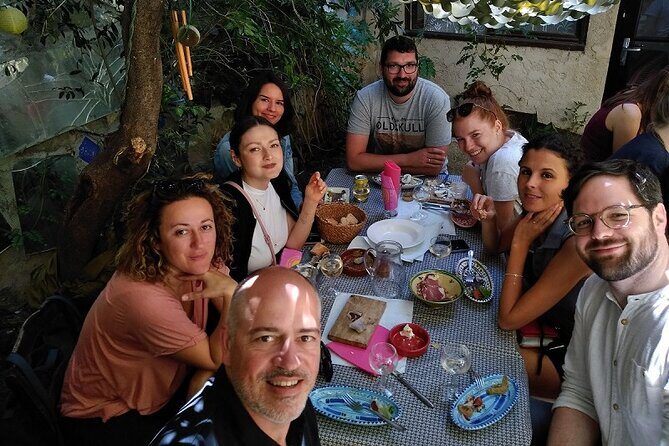
Beyond the two named stops, the tour includes visiting artisan workshops and sampling. This is where the tour earns its “culture” label. You’re not only tasting; you’re seeing how the city’s food identity gets shaped.
That matters because Marseille food is diverse—shaped by port life, trade connections, and local traditions. When you get a short look at how artisans work, you start understanding why certain flavors or products are made the way they are.
A good guide ties it together. They’ll explain what you’re eating, how it’s typically enjoyed, and what to look for when you’re shopping later. This turns the tour from a three-hour snack session into a transferable experience. You leave knowing how to order better, not just what you ate today.
Some guests described the experience as ending with a small meal with wine at the guide’s house. That kind of finish often helps you settle the whole tour into one final memory: conversation, food, and a more relaxed feel than standing and tasting on the street.
A few more Marseille tours and experiences worth a look




The walking reality: pace, timing, and what to expect
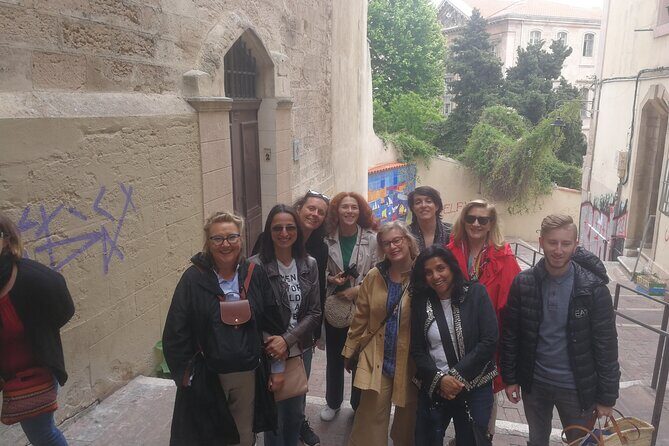
This is about a three-hour tour, starting at 11:00 am. Expect a half-day feel, even though it’s shorter than a full morning market trip. The time adds up because Marseille has lots of small changes in street level and turns, and Le Panier adds extra character to the walk.
What I like about the format is that it’s long enough for meaningful tastings but not long enough to feel punishing. You’ll likely have several moments where you can pause, sample, and get answers from the guide.
Still, plan your day around it. Don’t schedule another long activity right after. This kind of food and culture walk tends to leave you satisfied but curious, which is great—unless you run straight into a second timed tour without a break.
Dress code and smart packing for a food tour day
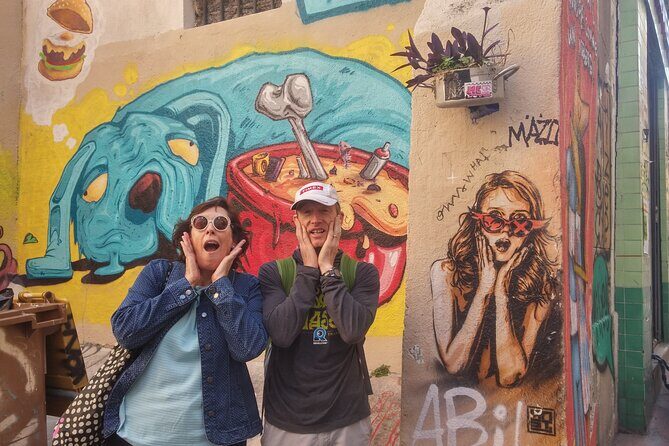
Dress code is smart casual. That’s broad enough for most people, but I’d treat it like: neat top, comfortable bottom, shoes you can walk in.
Here’s what’s worth doing:
- Wear comfortable shoes you trust on cobblestones.
- Bring a small layer if it’s breezy near the port.
- If you don’t drink alcohol, say so at the start so tastings can fit you.
Because pastis is part of the aperitif theme, consider whether you’ll want to sip slowly. The goal is to enjoy—not to make the rest of your day feel like a hangover experiment.
Price and value: what you’re paying for at $144.18
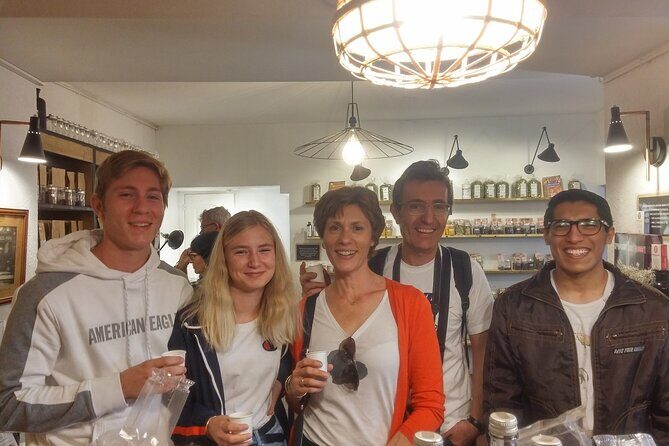
At $144.18 per person, this isn’t a bargain-basement tasting. You’re paying for a guided route, a small group experience, and multiple tastings tied to specific Marseille traditions and neighborhoods.
The best value angle here is that the tour packages several types of “local learning”:
- a pastis-focused aperitif introduction,
- tastings tied to Le Panier’s local food identity,
- artisan workshop stops,
- and time with a guide who can explain what you’re eating and why.
Also, when alcohol is part of the itinerary, it can change the math. If you were going to pay for a drink and snack anyway, the tour may feel closer to “a guided meal plus neighborhood orientation” rather than only “snacks on a walk.”
That said, because this is labeled private but also requires a minimum number of travelers, the real value depends on the schedule staying stable. If you want a strictly guaranteed private experience with zero risk of adjustment, you’ll want to be comfortable with the minimum-group concept.
The guide factor: what you can learn from named experiences
Guides like Laurant and Christine show up in guest feedback as people who keep the experience fun and easy to follow. That’s important, because a food-and-culture tour lives or dies on the guide’s ability to turn tastings into context.
I’d treat this as a conversation tour. If you enjoy asking about ingredients, local habits, and what to order later, you’ll get a lot out of it. If you prefer silent photo walks, this may feel more chatty than you expect.
And if you get a guide who handles food like a rolling picnic—carrying bites as you go—lean into it. It can make the walk feel smoother and less stop-and-wait.
Who should book this tour (and who should skip)
This tour is a good fit if:
- you want Marseille culture through food, not just food alone,
- you like neighborhoods with personality, especially Le Panier,
- you’re happy with a walking schedule around the port and nearby areas,
- you want help choosing what to eat after the tour.
You might skip or choose a different style if:
- you strongly dislike strong aperitifs like pastis,
- walking on older streets is a problem for your feet,
- you need absolute schedule certainty, since the tour requires a minimum number of travelers and can be changed if that minimum isn’t met.
Should you book? My honest call
I’d book this if you want a guided, flavor-led introduction to Marseille that gives you both tastes and meaning. The pastis start, the Le Panier walk, and the artisan + tasting structure are a solid trio for building a real sense of the city in just three hours.
Just do one smart thing before you go: keep an eye on communication from Provence Amazing Tours and be ready for the reality of minimum-group requirements. If you’re the type who plans tightly, build in a little buffer so a last-minute adjustment won’t ruin the whole day.
If you want Marseille that feels lived-in—less tourist corridor, more neighborhood—you’ll likely feel like you got your bearings fast and ate well doing it.
FAQ
How long is the Marseille walking food and culture tour?
The tour is about 3 hours.
What is the price per person?
The price is $144.18 per person.
Where does the tour start and end?
It starts at Métro Vieux Port, Marseille, France and ends at Place de Lenche (Pl. de Lenche, 13002 Marseille, France).
What time does the tour begin?
The start time shown is 11:00 am.
Is the tour offered in English?
Yes, it is offered in English.
How big is the group?
The tour has a maximum of 15 travelers, and it needs a minimum of 4 people to start.
What food and drink will I experience?
You’ll sample Marseille specialties and taste snacks, and the tour includes a pastis aperitif moment. It also includes artisan workshop visits and tasting in a local home setting.
What should I wear?
Dress code is smart casual.
Can I get a refund if my plans change?
Yes. You can cancel for free up to 24 hours in advance for a full refund.